









Zabránenie odizolovaniu závitov v konštrukčných spojeniach: Synergická kontrola skúšobného zaťaženia a tvrdosti pre matice ASTM A563 triedy DH so skrutkami ASTM A490
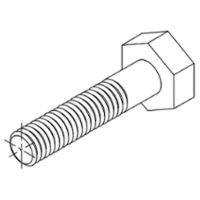
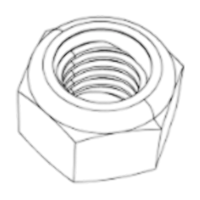
Pri spojoch z konštrukčnej ocele závisí celistvosť skrutkového spoja od základného princípu: matica musí byť aspoň taká pevná ako skrutka. Pre skrutky s vysokou pevnosťou ASTM A490 (minimálna pevnosť v ťahu 150 ksi) je špecifikovaná spojovacia matica ASTM A563 Grade DH. Nezhodná matica alebo matica nižšej kvality vytvára „slabý článok“, kde sa závity matice môžu odtrhnúť skôr, ako skrutka dosiahne svoju plnú nosnosť – režim skrytého zlyhania, ktorý môže viesť ku katastrofálnemu zlyhaniu spoja. Tento článok vysvetľuje, ako synergická kontrola skúšobného zaťaženia a tvrdosti zaisťuje, že nedochádza k odizolovaniu závitu.
1. Strength Matching: Základný princíp
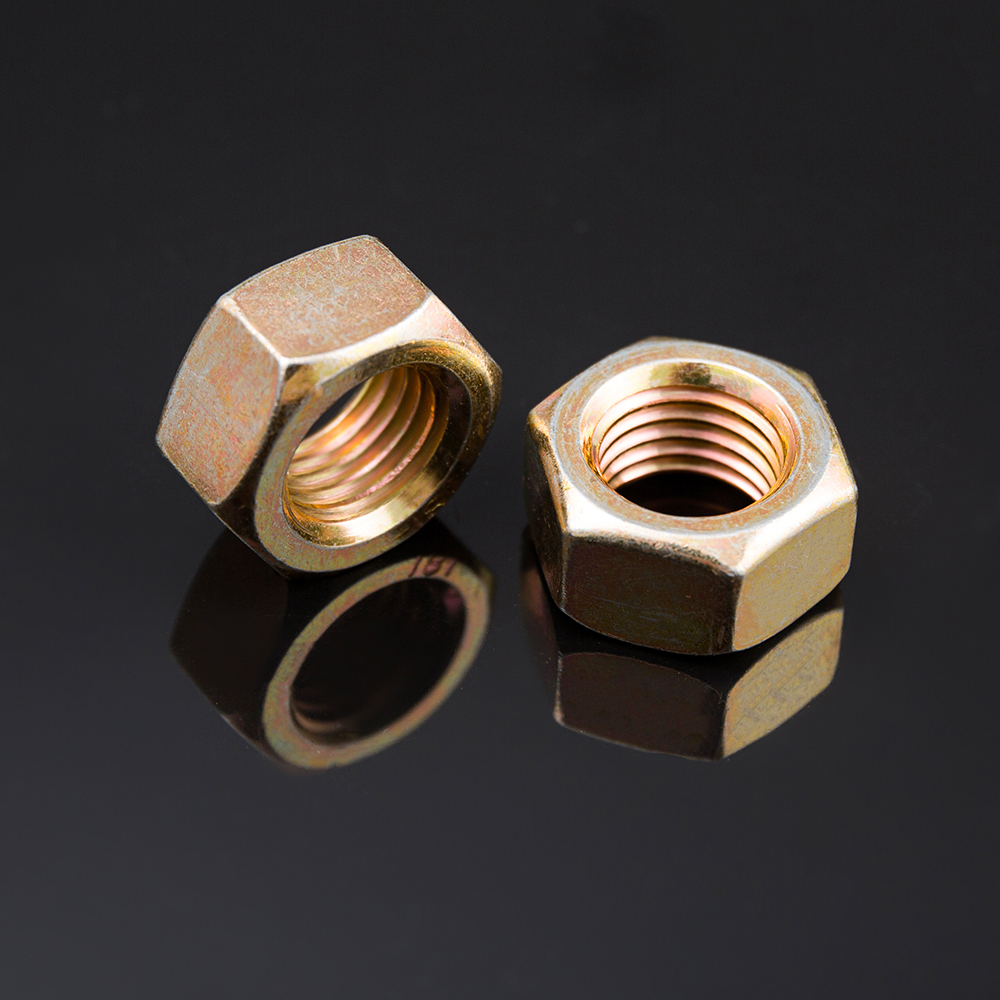
Výber správnej triedy matice je prvou líniou obrany proti odizolovaniu závitov. Skrutky ASTM A490 patria medzi konštrukčné skrutky s najvyššou pevnosťou, ktoré sú k dispozícii, a vyžadujú maticu s primeranou pevnosťou.
| Bolt Grade | Minimálna pevnosť v ťahu | Odporúčaný orech (obyčajný) | Odolnosť proti zaťaženiu matice |
|---|---|---|---|
| ASTM A490 (typ 1) | 150 000 psi | ASTM A563 Grade DH | 175 000 psi |
| ASTM A490 (galvanizované) | 150 000 psi | ASTM A563 Grade DH (lubrikovaný) | 150 000 psi |
| ASTM A490 (Typ 3, poveternostné podmienky) | 150 000 psi | ASTM A563 Trieda DH3 | 175 000 psi |
2. Dôkazné zaťaženie: Kvantitatívna záruka proti odizolovaniu
Dôkazné zaťaženie je špecifikované axiálne zaťaženie v ťahu, ktoré musí matica vydržať bez strhávania závitu alebo trvalej deformácie. Pre maticu ASTM A563 Grade DH je medzné zaťaženie 175 000 psi pre hladké (nepotiahnuté) matice.
- Dizajnový zámer: Odolné zaťaženie matice presahuje minimálnu pevnosť v ťahu skrutky (150 000 psi pre A490). To zaisťuje, že pri konštrukčnom zaťažení skrutky sa matica neodtrhne. Ak by sa použila matica nižšej triedy (napr. trieda C), skúšobné zaťaženie matice by bolo nižšie, čo by vytváralo riziko, že závity matice zlyhajú skôr, ako skrutka dosiahne svoju špecifikovanú kapacitu.
- Potiahnuté spojovacie prvky: Pre žiarovo pozinkované konštrukčné zostavy je napätie pri meracom zaťažení pre matice triedy DH znížené na 150 000 psi. Toto zníženie zodpovedá za rozmerové zmeny a trecie účinky zinkového povlaku. Pozinkované DH matice musia byť tiež namazané, aby sa minimalizovalo zadretie počas montáže.
3. Tvrdosť: Ochrana na úrovni materiálu
Tvrdosť (Rockwell C, HRC) je druhým kritickým kontrolným parametrom. Zabezpečuje, že materiál matice má potrebnú pevnosť a ťažnosť, aby odolal deformácii pri zaťažení. Matice ASTM A563 Grade DH sú kalené a temperované, aby sa dosiahol špecifikovaný rozsah tvrdosti.
| Matice Grade | Rozsah tvrdosti (HRC) | Účel |
|---|---|---|
| ASTM A563 Grade DH | C24 – C38 | Zabezpečuje primeranú pevnosť, aby odolal skúšobnému zaťaženiu, pri zachovaní dostatočnej ťažnosti, aby sa zabránilo krehkému lomu. |
| ASTM A563 stupeň C | B78 – C38 | Nižšia minimálna tvrdosť; vhodné pre skrutky A325, ale nedostatočné pre A490. |
- Primeraná pevnosť a ťažnosť: Minimálna tvrdosť C24 zaisťuje, že matica má pevnosť materiálu, aby splnila svoju odolnosť. Maximálna tvrdosť C38 zabraňuje prílišnej krehkosti matice, čo by mohlo viesť k prasknutiu pri nárazovom zaťažení alebo počas inštalácie.
- Kompatibilita s tvrdosťou skrutky: Skrutky ASTM A490 majú rozsah tvrdosti C33–C38. Rozsah tvrdosti matíc Grade DH (C24–C38) je navrhnutý tak, aby bol kompatibilný, čím sa zabezpečí, že pri zaťažení sa závity oboch komponentov deformujú predvídateľným a kontrolovaným spôsobom, čím sa zníži riziko odierania alebo odierania závitu.
4. Synergický efekt: Dôkaz zaťaženia a tvrdosti spolupracujú
Dôkazné zaťaženie a tvrdosť nie sú nezávislé požiadavky; sú to dve strany tej istej inžinierskej mince. Skúška skúšobnej záťaže overuje, že zostava matice vydrží špecifikované zaťaženie bez poruchy. Skúška tvrdosti potvrdzuje, že mikroštruktúra materiálu bola správne tepelne spracovaná, aby poskytla potrebnú pevnosť pre toto skúšobné zaťaženie. Matica by teoreticky mohla splniť požiadavku medzného zaťaženia s materiálom, ktorý je príliš tvrdý (krehký) alebo príliš mäkký (náchylný na deformáciu), ale rozsah tvrdosti zaisťuje, že matica má požadovanú pevnosť a potrebnú ťažnosť pre spoľahlivú dlhodobú prevádzku.
5. Výroba a pohľad na kvalitu
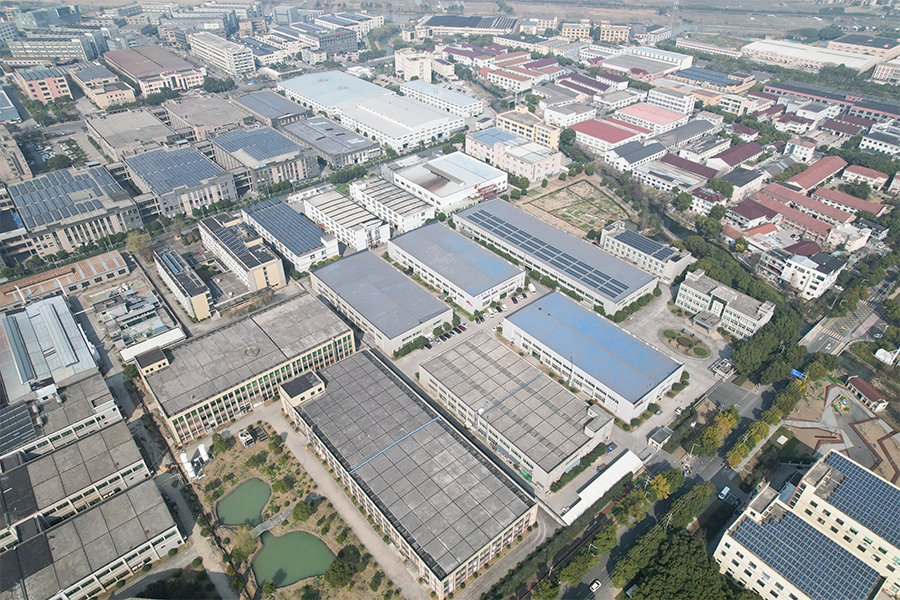
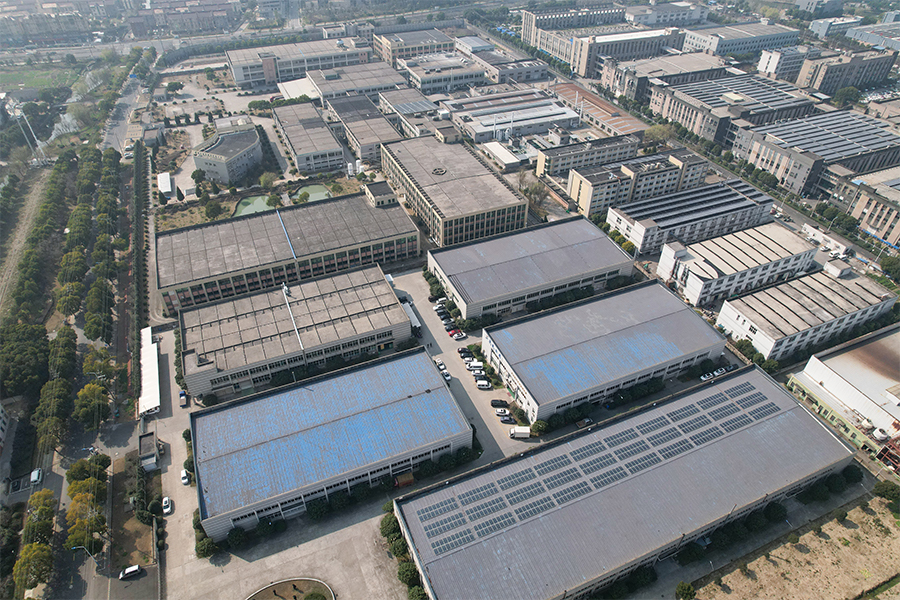
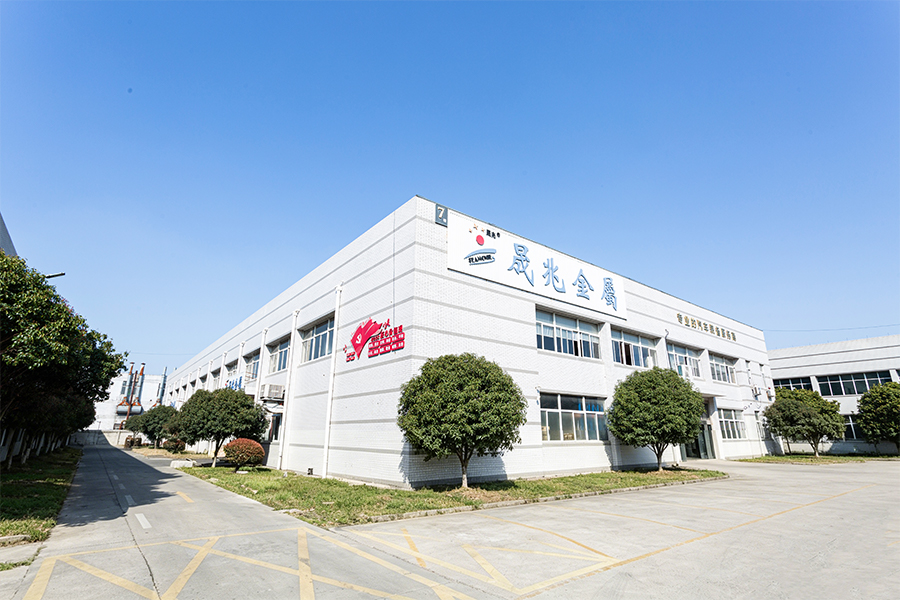
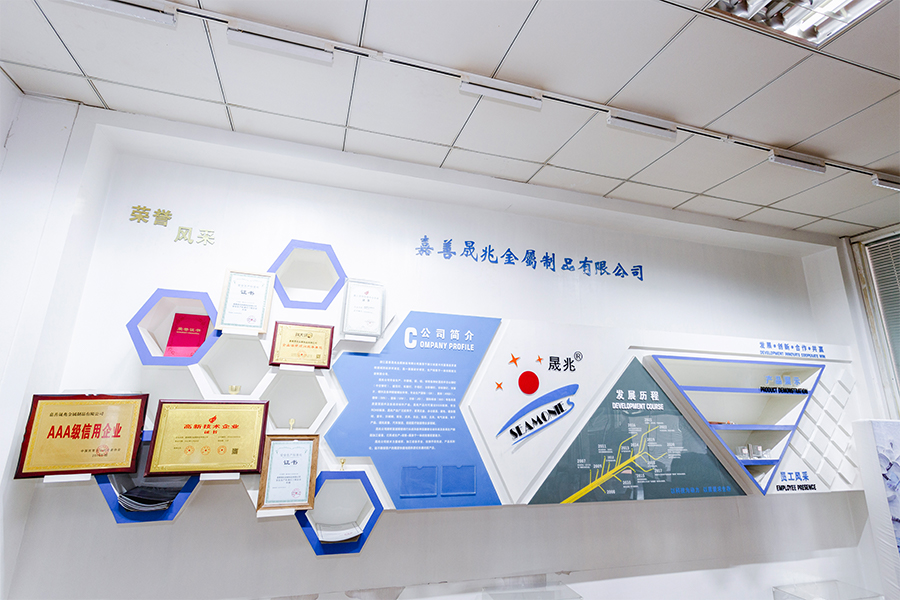
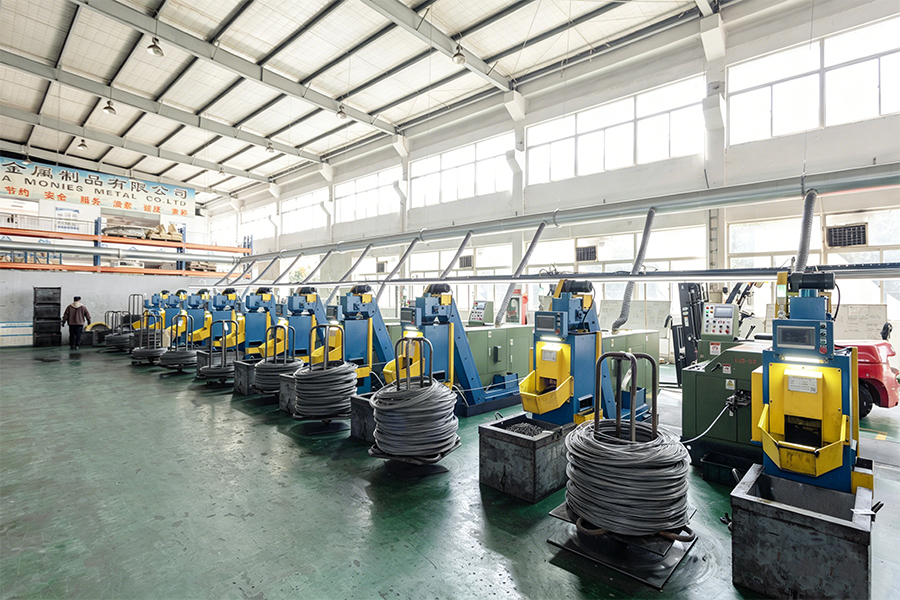
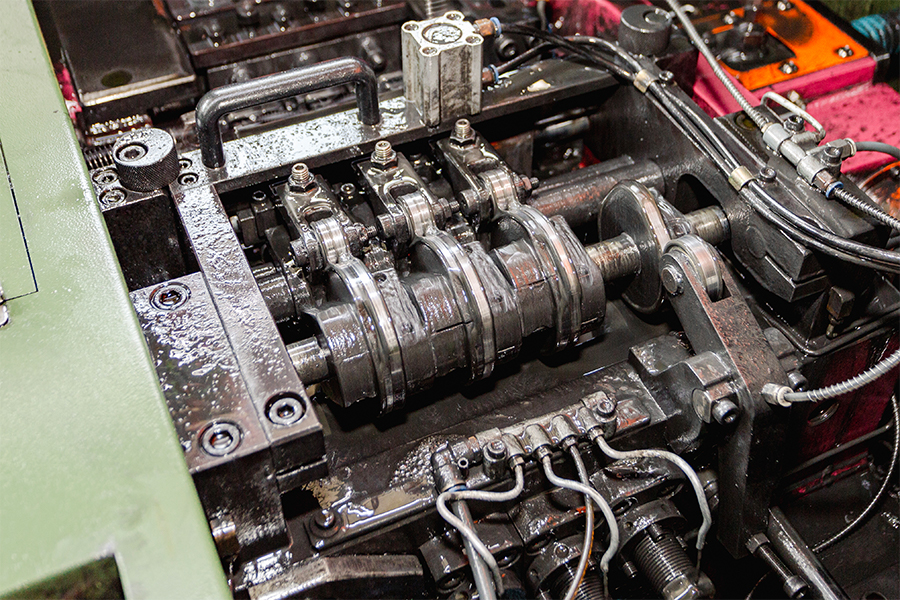
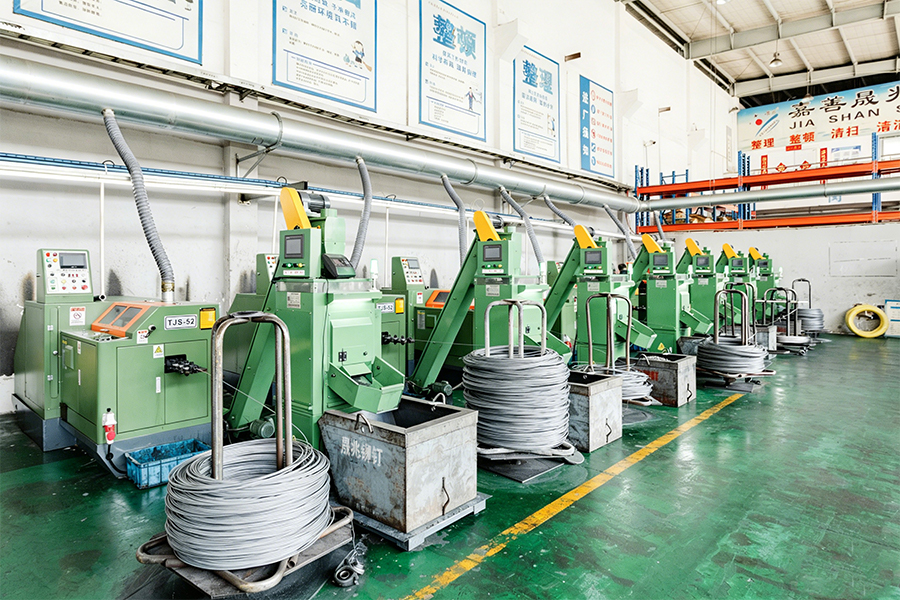
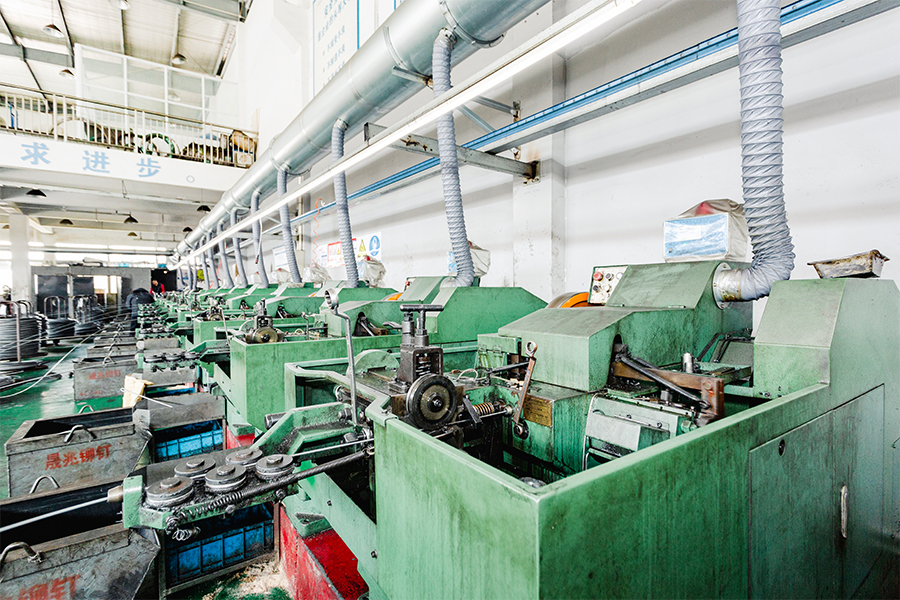
Dôsledné dosahovanie špecifikácií skúšobného zaťaženia a tvrdosti vyžaduje presnú kontrolu výberu materiálu, tepelného spracovania a výrobných procesov. Zhejiang Chance & Union Import and Export Co., Ltd. (Chance & Union) je rodinný podnik patriaci pod SEA Monies Metal Co., Ltd., ktorý zdedil 20-ročné rodinné skúsenosti a dedičstvo kvality v kovovýrobe. Spoliehajúc sa na silnú výrobnú kapacitu a výhody dodávateľského reťazca Shengzhao Metal sa špecializujeme na výskum a vývoj, výrobu a globálny predaj vysokokvalitných kovových výrobkov. V súlade s rodinným úsilím o presnosť, prísny pracovný prístup a dlhodobý záväzok dodávame stabilné a spoľahlivé produkty a služby zákazníkom po celom svete.
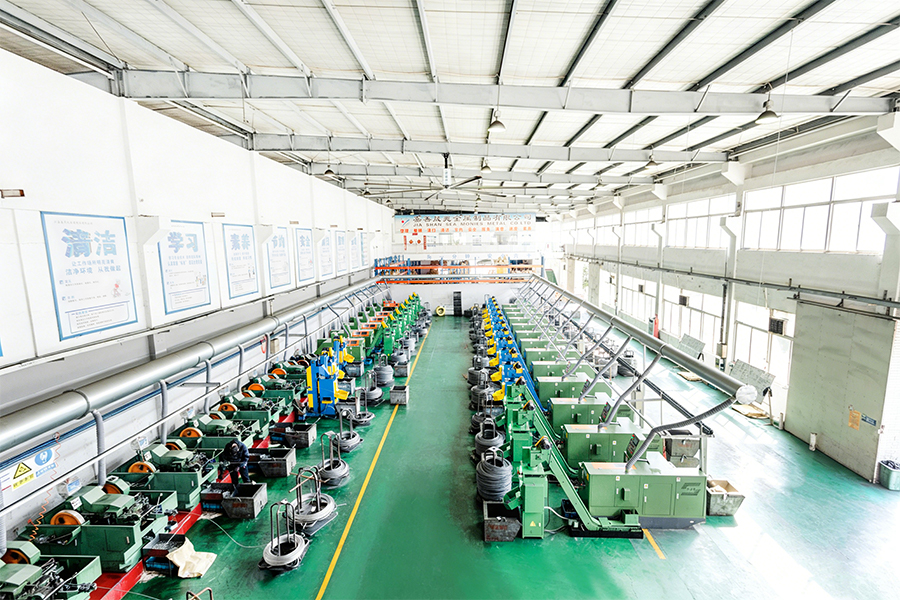
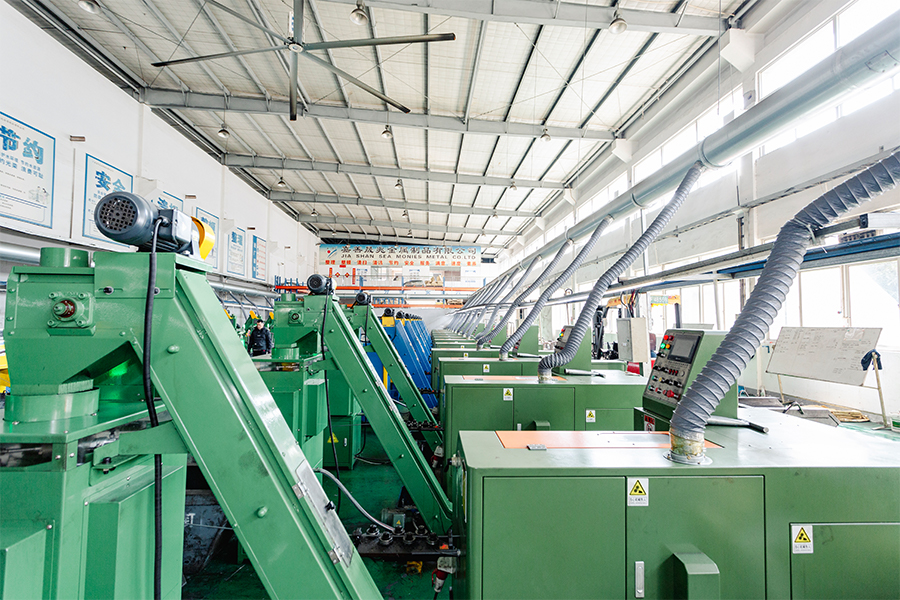
Využitím robustného výskumu, vývoja a výrobných kapacít továrne sa špecializujeme na vysokopevnostné nity, skrutky, matice, podložky, čapy, skrutky a rôzne neštandardné zákazkové diely. Náš sortiment zahŕňa materiály vrátane nehrdzavejúcej ocele, legovanej ocele, zliatiny hliníka, medi a špeciálnych zliatin s využitím procesov, ako je vŕtanie za studena, kovanie za tepla a CNC obrábanie. Naše výrobky sa vyvážajú do viac ako 25 krajín a slúži viac ako 200 klientom.
Chance & Union sa zaviazala bezproblémovo prepojiť „Vyrobené v Číne“ s medzinárodným trhom a poskytovať globálnym zákazníkom komplexné upevňovacie riešenia od výskumu a vývoja až po masovú výrobu prostredníctvom profesionálnej technológie a výnimočnej kvality. Pre konštrukčné matice , poskytujeme kompletné certifikáty o skúške materiálu (MTC) a protokoly o skúšobnom zaťažení pre každú dávku, čím zaisťujeme súlad s požiadavkami ASTM A563 Grade DH.
6. Často kladené otázky (FAQ)
- Q1: Môžem použiť maticu ASTM A194 Grade 2H namiesto matice A563 Grade DH so skrutkou A490?
A: Áno. Ťažké šesťhranné matice ASTM A194 Grade 2H sa považujú za prijateľný ekvivalent pre matice ASTM A563 Grade DH a môžu sa použiť namiesto nich. V prípade aplikácií s povlakom však testovanie povlaku, presahovania, mazania a rotačnej kapacity musí spĺňať požiadavky ASTM A563. Zhejiang Chance & Union Import and Export Co., Ltd. (Chance & Union) môže dodať matice A563 DH aj A194 2H a môže vám poradiť o vhodnej náhrade pre vašu konkrétnu aplikáciu. - Otázka 2: Čo sa stane, ak použijem maticu triedy C so skrutkou ASTM A490?
Odpoveď: Toto je nesúlad, ktorý vytvára slabé spojenie v kĺbe. Matica triedy C má nižšiu odolnosť a tvrdosť, ako sa vyžaduje pre skrutku A490. Pri zaťažení sa závity matice pravdepodobne odtrhnú skôr, ako skrutka dosiahne svoju plnú ťahovú kapacitu, čo vedie k skrytej poruche, ktorá by mohla spôsobiť neočakávané zlyhanie spoja. Zhejiang Chance & Union Import and Export Co., Ltd. (Chance & Union) dôrazne odporúča dodržiavať špecifikované pravidlá zhody triedy, aby sa zabezpečila bezpečnosť konštrukcie. - Otázka 3: Ako overím, či matica triedy DH spĺňa požiadavku na tvrdosť?
Odpoveď: Tvrdosť sa overuje testovaním Rockwell (HRC) vykonaným na reprezentatívnej vzorke z každej výrobnej šarže. Výsledky sú zdokumentované v certifikáte o skúške materiálu. Poľní inšpektori môžu tiež vykonávať prenosné testovanie tvrdosti ako súčasť zabezpečenia kvality, aj keď sa pre presnosť odporúča kalibrovaný testovací blok. Zhejiang Chance & Union Import and Export Co., Ltd. (Chance & Union) poskytuje správy o testoch tvrdosti s každou zásielkou na potvrdenie súladu.





