









Matica s prírubovou hlavou verzus štandardná šesťhranná matica s podložkou: Kvantifikácia rozdielov v rozložení napätia v ložiskách a odolnosti voči zapusteniu
Pri vysokom predpätí je výber medzi a matica hlavy príruby a štandardná šesťhranná matica s plochou podložkou výrazne ovplyvňuje výkonnosť kĺbov. Zatiaľ čo obe konfigurácie majú za cieľ zväčšiť nosnú plochu a znížiť povrchové napätie, experimentálne údaje odhaľujú podstatné rozdiely v tom, ako rozdeľujú tlak a odolávajú zapusteniu do spojovacieho materiálu.
1. Porovnanie stresu kontaktu: Kvantifikovaný údaj
Nasledujúca tabuľka uvádza údaje o kontaktnom napätí pre matice s prírubovou hlavou, hladké šesťhranné matice a šesťhranné matice s podložkami, merané pri rovnakých podmienkach predpätia (75 % skúšobného zaťaženia).
| Stupeň upevnenia | Veľkosť | Konfigurácia | Kontaktný stres (ksi) | Kontaktné napätie (N/mm²) |
|---|---|---|---|---|
| 10.9 | M10 | Hlava s prírubou | 36.3 | 250 |
| 10.9 | M16 | Hlava s prírubou | 39.9 | 275 |
| 10.9 | M10 | Obyčajný Hex | 52.2 | 360 |
| 10.9 | M16 | Obyčajný Hex | 94.3 | 650 |
| 10.9 | M10 | Šesťhranná podložka | 27.6 | 190 |
| 10.9 | M16 | Šesťhranná podložka | 33.4 | 230 |
| 12.9 | M10 | Obyčajný Hex | 63.8 | 440 |
| 12.9 | M22 | Obyčajný Hex | 131 | 900 |
| 12.9 | M10 | Šesťhranná podložka | 29 | 200 |
| 12.9 | M22 | Šesťhranná podložka | 50.8 | 350 |
Zdroj údajov: Merania kontaktného napätia zo štúdií dizajnu skrutkových spojov.
Pri upevňovacom prvku triedy 10.9 M16 matica s prírubovou hlavou vytvára kontaktné napätie približne 39,9 ksi v porovnaní s 94,3 ksi pre obyčajnú šesťhrannú maticu – zníženie o 57,7 %. Šesťhranná matica s podložkou dosahuje 33,4 ksi, čo predstavuje 64,6 % zníženie oproti obyčajnej šesťhrannej matici. V prípade spojovacích prvkov s vyššou pevnosťou triedy 12.9 M22, obyčajná šesťhranná matica generuje 131 ksi, zatiaľ čo konfigurácia podložky toto znižuje na 50,8 ksi, čo predstavuje zníženie o 61,2 %.
2. Distribúcia nosného napätia: Rozdiel v profile tlaku
Špičkové zníženie napätia z plochých podložiek, aj keď je významné, nedosahuje úroveň, ktorú by sa dalo predpovedať výlučne na základe kontaktnej plochy. Testovanie na spojovacích prvkoch 1/2"-13 pri 80% skúšobnej záťaži ukázalo, že tvrdená plochá podložka znížila špičkový tlak približne o 50%, zatiaľ čo spojovací prvok s prírubovou hlavou poskytoval rozloženie zaťaženia, ktoré viac závisí od geometrie jednotlivých spojovacích prvkov.
Merania kontaktnej plochy pomocou filmu indikujúceho tlak odhalili, že kontaktná plocha pod hlavou príruby sa môže meniť v podstate od celej plochy po úzky pás na OD príruby alebo prstenec v blízkosti otvoru . Táto odchýlka je spôsobená zúžením príruby a tuhosťou tela matice. V prípade šesťhranných matíc s podložkami štandardná plochá podložka nedosahuje úplné zníženie napätia predpokladaného jej vonkajším priemerom, pretože podložka nie je dostatočne hrubá, aby rovnomerne rozložila zaťaženie na jej vonkajší priemer. Hrubšie podložky sú účinnejšie pri rozdeľovaní zaťaženia a znižovaní napätia v podložke aj v spojovacích členoch.
3. Odolnosť zapustenia: Zabraňuje strate predpätia
Vloženie je lokalizované poddajnosť alebo stlačenie materiálu spoja pod nosným povrchom matice. Je to primárna príčina skorej straty predpätia po utiahnutí. Matica s prírubovou hlavou aj šesťhranná matica s podložkou redukujú uloženie znížením kontaktného napätia na povrchu ložiska.
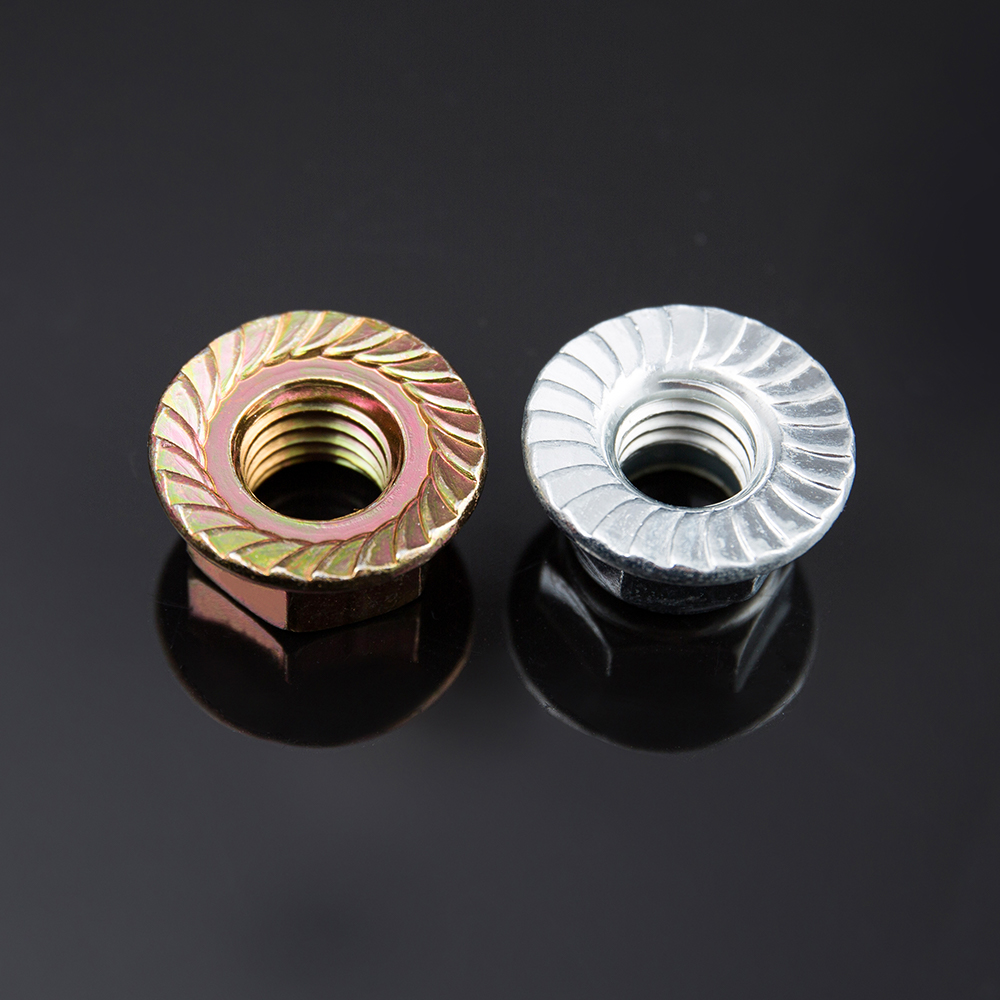
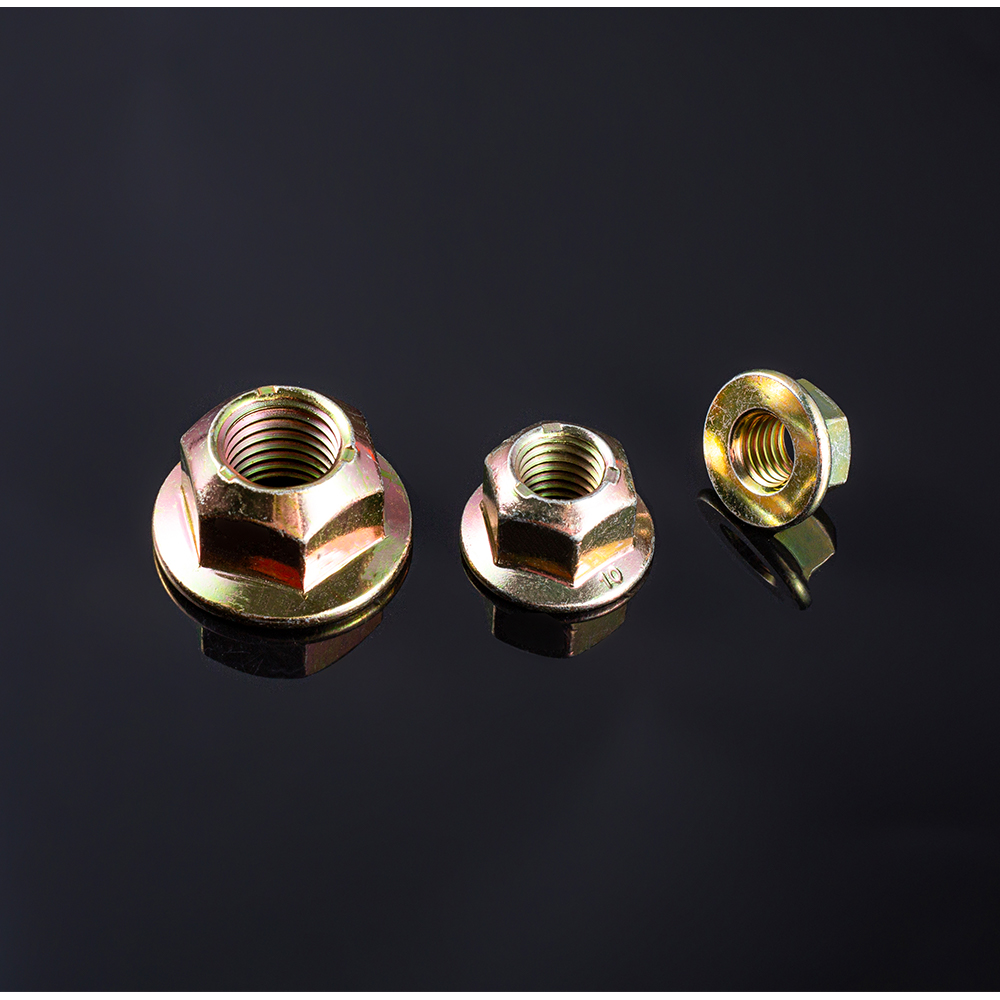
- Matica prírubovej hlavy: Integrovaná príruba poskytuje väčšiu nosnú plochu, ktorá rozdeľuje tlak na širšiu zónu. Tým sa znižuje riziko zapustenia matice do mäkších materiálov, ako je hliník, tenký oceľový plech alebo potiahnuté povrchy. Príruba tiež zabraňuje poškodeniu povrchu a znižuje riziko pretiahnutia matice cez spojovací materiál.
- Šesťhranná matica s tvrdenou podložkou: Správne špecifikovaná tvrdená podložka môže zvýšiť zaťaženie tesnenia alebo spoja o 30 – 50 % v porovnaní so žiadnou podložkou tým, že zabráni zapusteniu a rovnomernejšie rozloží zaťaženie. Kompenzuje nerovnomerné podmienky povrchu a znižuje trenie na povrchu ložiska.
4. Ďalšie aspekty výkonu
- Vzťah krútiaceho momentu a napätia: Polomer kontaktnej plochy ovplyvňuje krútiaci moment potrebný na vytvorenie daného predpätia. Keď dôjde ku kontaktu na vonkajšom priemere príruby, moment odporu je vyšší a pri rovnakom vstupnom krútiacom momente sa vytvorí menšie napätie skrutky. Testy ukázali, že rozdiel medzi kontaktom s vnútorným priemerom a vonkajším priemerom môže znížiť napätie o 10-15%.
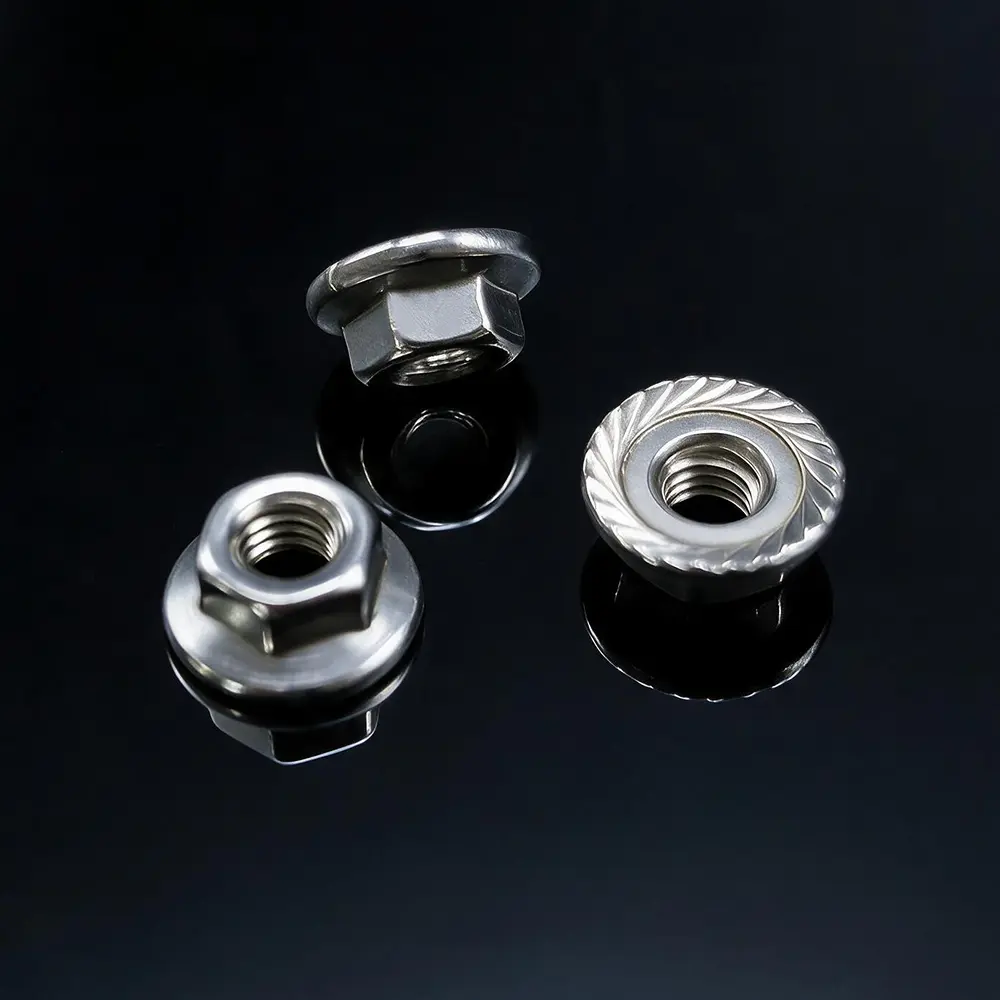
- Antivibračný výkon: Zúbkované prírubové matice (často nazývané matice) obsahujú zuby na ložiskovej ploche, ktoré sa zahryznú do protiľahlého povrchu, čím poskytujú mechanický uzamykací účinok, ktorý odoláva uvoľneniu pri vibráciách. Hladké prírubové matice neponúkajú tento uzamykací efekt.
- Poškodenie povrchu: Zúbkované prírubové matice môžu poškodiť lakované, eloxované alebo mäkké povrchy. Pre hotové alebo kozmetické aplikácie sú preferované hladké prírubové matice alebo štandardné šesťhranné matice s podložkami.
5. Výroba a pohľad na kvalitu
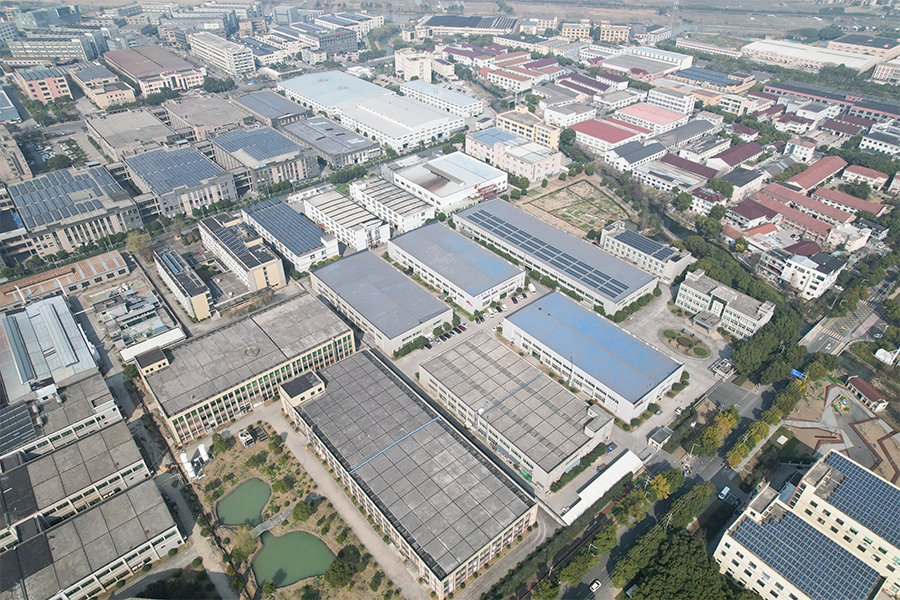
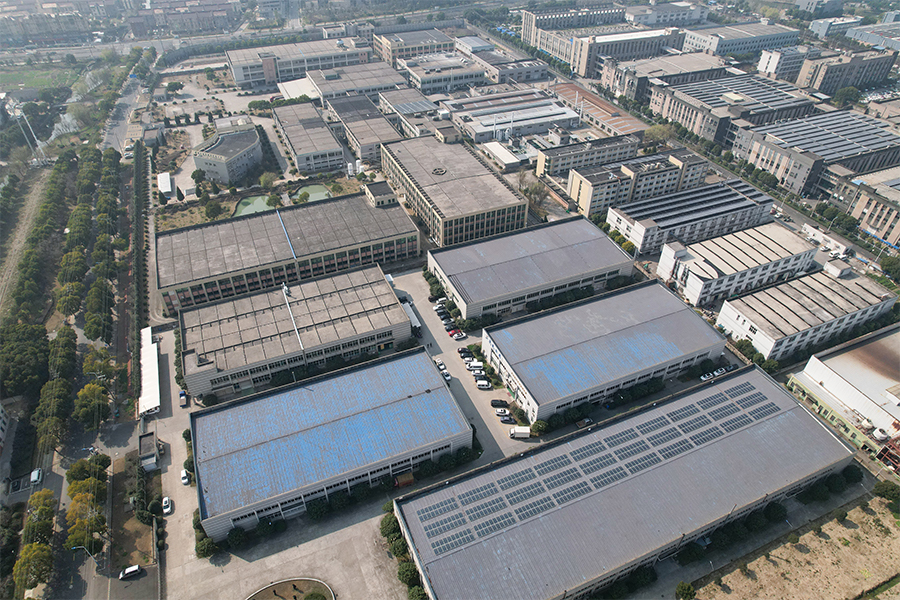
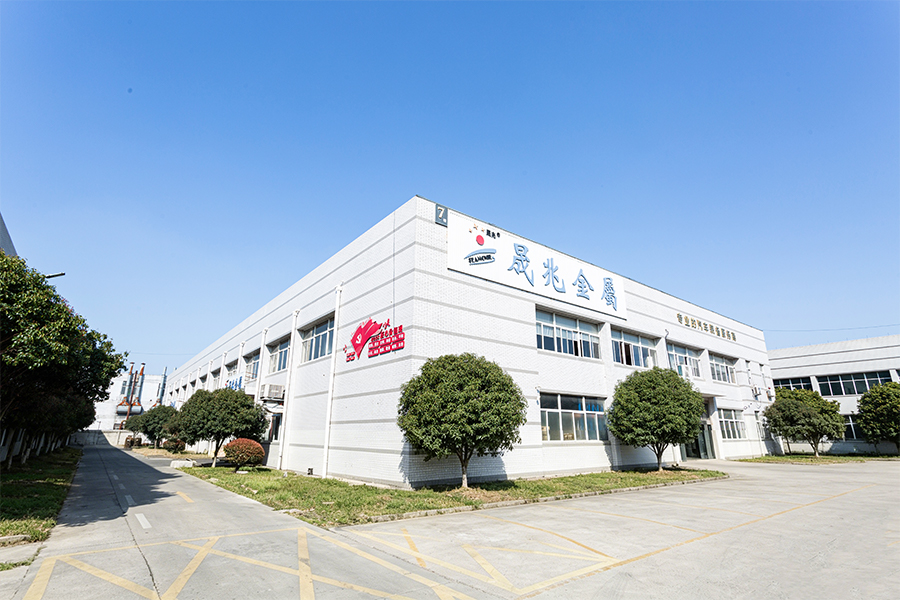
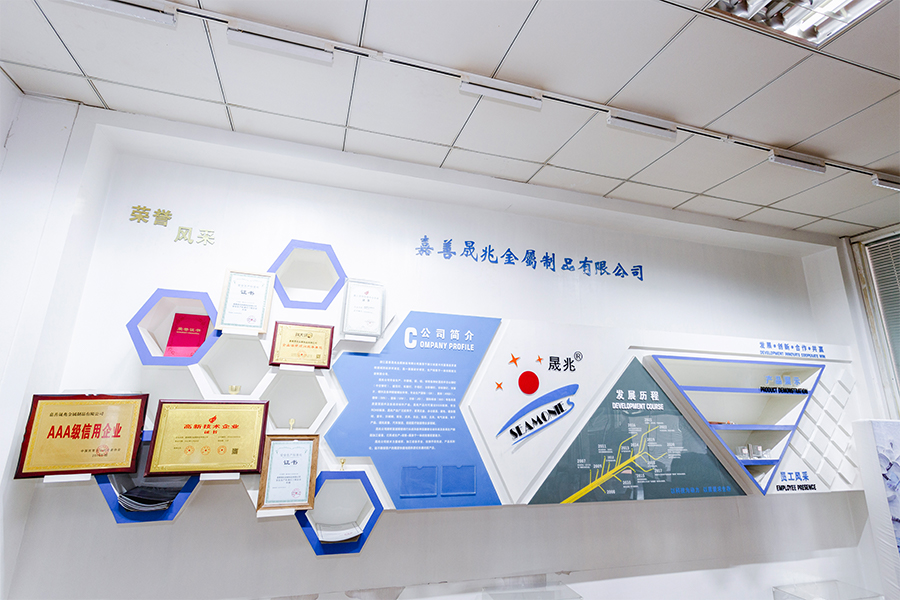
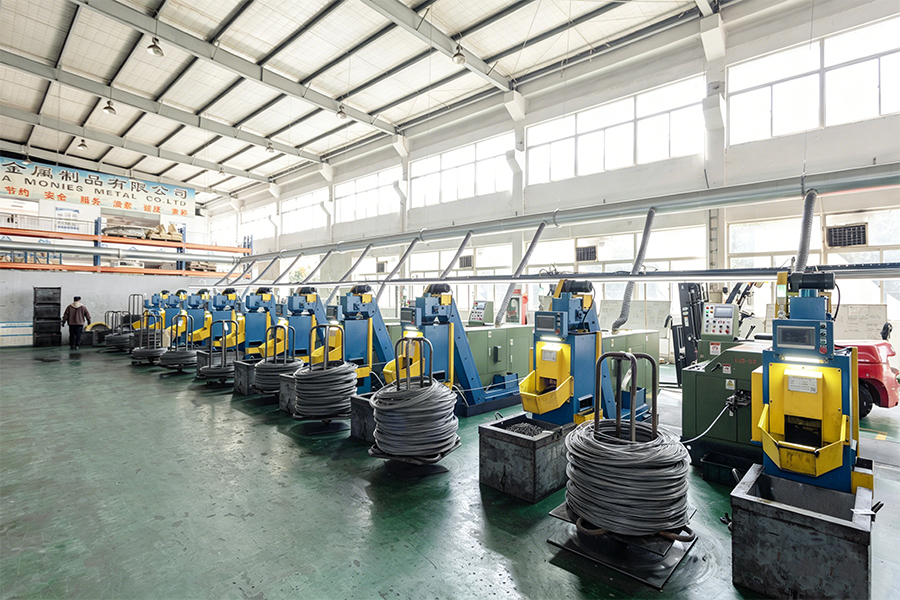
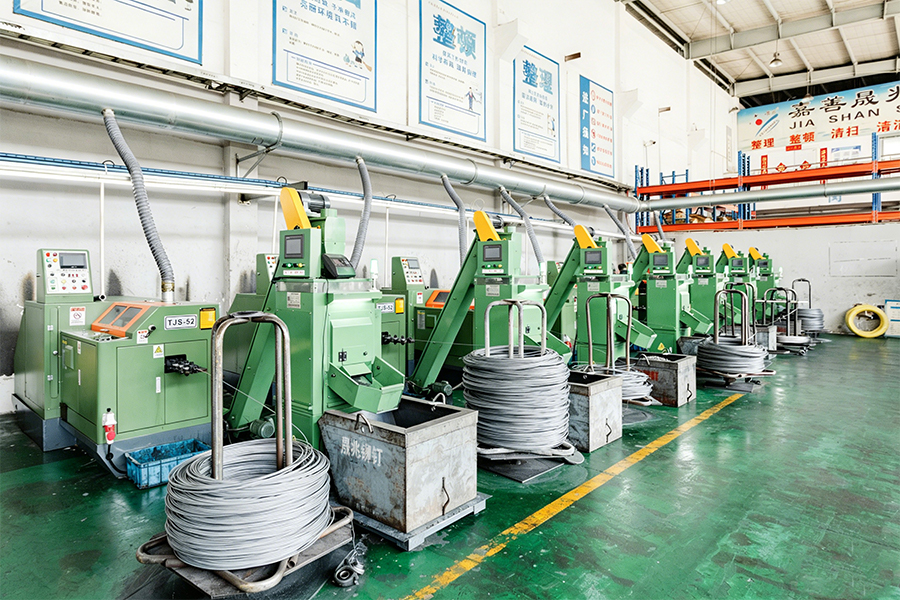
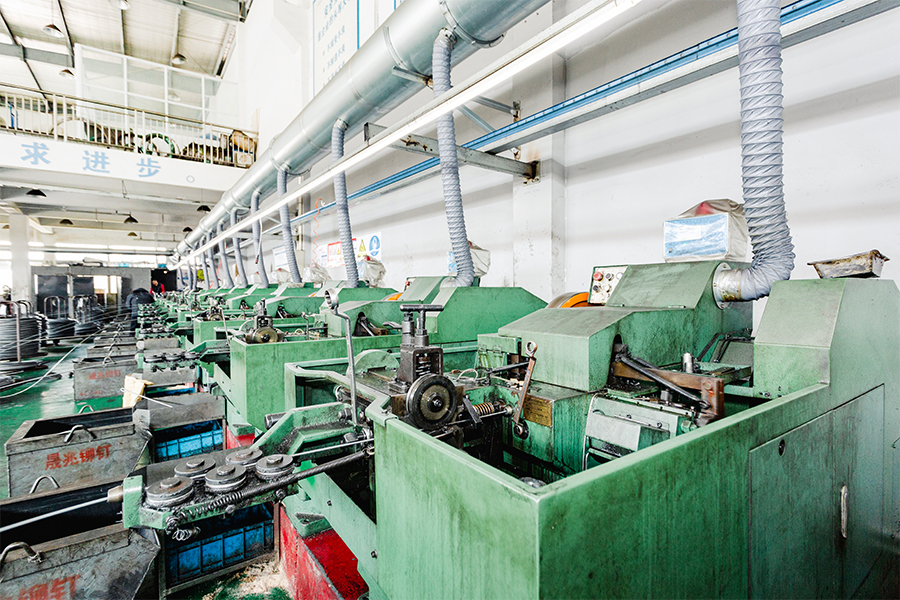
Konzistentná geometria príruby a kontrolované výrobné tolerancie sú nevyhnutné na dosiahnutie výhod rozloženia zaťaženia matíc s prírubovou hlavou. Zhejiang Chance & Union Import and Export Co., Ltd. (Chance & Union) je rodinný podnik patriaci pod SEA Monies Metal Co., Ltd., ktorý zdedil 20-ročné rodinné skúsenosti a dedičstvo kvality v kovovýrobe. Spoliehajúc sa na silnú výrobnú kapacitu a výhody dodávateľského reťazca Shengzhao Metal sa špecializujeme na výskum a vývoj, výrobu a globálny predaj vysokokvalitných kovových výrobkov. V súlade s rodinným úsilím o presnosť, prísny pracovný prístup a dlhodobý záväzok dodávame stabilné a spoľahlivé produkty a služby zákazníkom po celom svete.
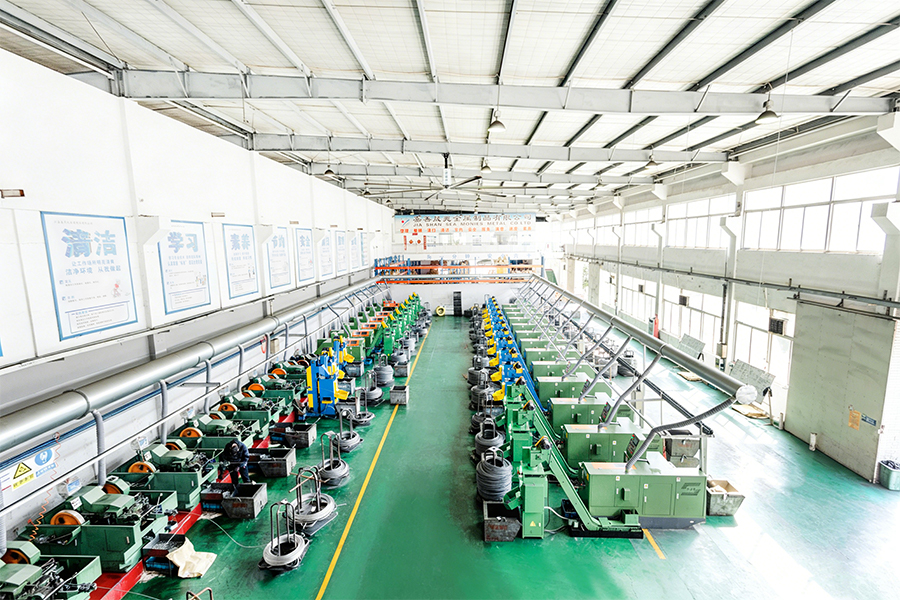
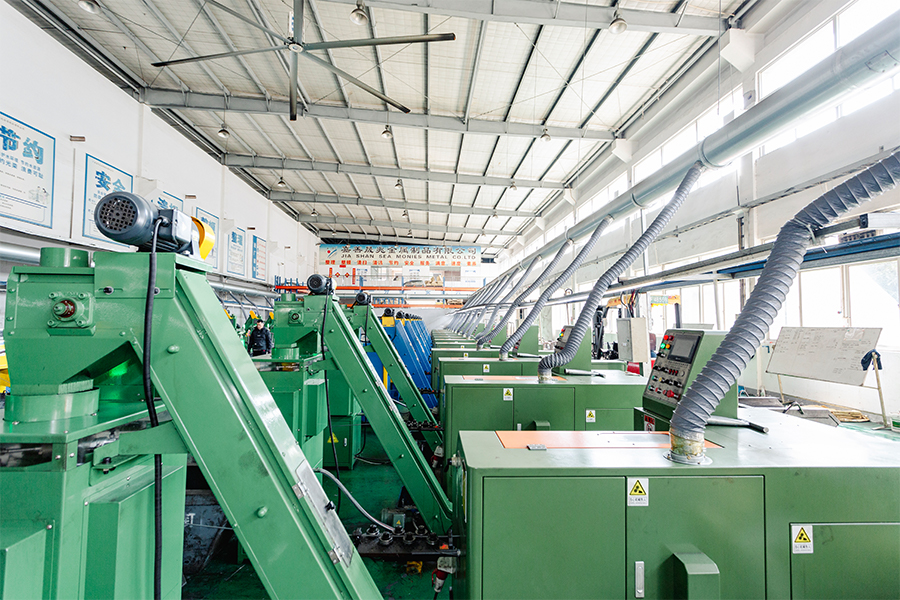
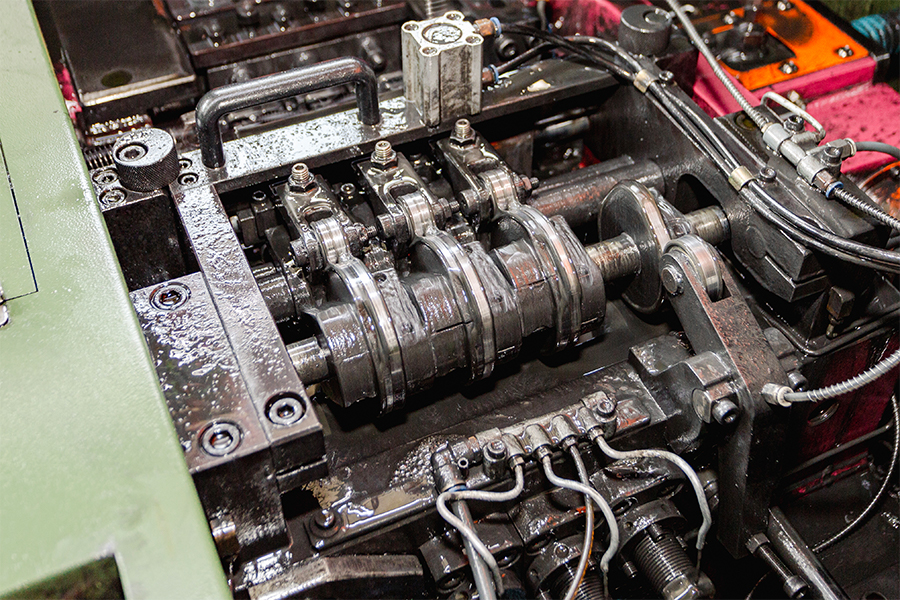
Využitím robustného výskumu, vývoja a výrobných kapacít továrne sa špecializujeme na vysokopevnostné nity, skrutky, matice, podložky, čapy, skrutky a rôzne neštandardné zákazkové diely. Náš sortiment zahŕňa materiály vrátane nehrdzavejúcej ocele, legovanej ocele, zliatiny hliníka, medi a špeciálnych zliatin s využitím procesov, ako je vŕtanie za studena, kovanie za tepla a CNC obrábanie. Naše výrobky sa vyvážajú do viac ako 25 krajín a slúži viac ako 200 klientom.
Chance & Union sa zaviazala bezproblémovo prepojiť „Vyrobené v Číne“ s medzinárodným trhom a poskytovať globálnym zákazníkom komplexné upevňovacie riešenia od výskumu a vývoja až po masovú výrobu prostredníctvom profesionálnej technológie a výnimočnej kvality.
6. Často kladené otázky (FAQ)
- Q1: Nahrádza prírubová matica úplne potrebu tvrdenej podložky?
Odpoveď: Vo väčšine aplikácií áno, pretože príruba poskytuje väčšiu nosnú plochu a efektívne rozdeľuje zaťaženie. Avšak pri veľmi mäkkých materiáloch, štrbinových otvoroch alebo tam, kde je povrch spoja nepravidelný, môže byť stále potrebná tvrdená podložka, aby sa zabránilo zapusteniu a zabezpečilo sa rovnomerné rozloženie zaťaženia. Zhejiang Chance & Union Import and Export Co., Ltd. (Chance & Union) môže odporučiť vhodnú konfiguráciu na základe vášho konkrétneho dizajnu spoja a materiálu. - Otázka 2: Prečo údaje o napätí kontaktu ukazujú, že šesťhranná matica s podložkou má pri niektorých veľkostiach lepšiu výkonnosť ako matica s prírubovou hlavou?
Odpoveď: Údaje odrážajú kontaktné napätie na povrchu ložiska. Správne dimenzovaná tvrdená podložka môže niekedy rozložiť zaťaženie efektívnejšie ako príruba matice, najmä ak geometria príruby nevytvára celoplošný kontakt. Bolo pozorované, že štandardná plochá podložka, keď sa používa so skrutkou, rozdeľuje napätie rovnomernejšie ako príruba v určitých testoch. Zhejiang Chance & Union Import and Export Co., Ltd. (Chance & Union) môže poskytnúť konkrétne odporúčania a údaje o produkte pre vašu aplikáciu. - Q3: Aký je hlavný výkonnostný rozdiel medzi zúbkovanou prírubovou maticou a hladkou prírubovou maticou?
Odpoveď: Zúbkované prírubové matice zabezpečujú mechanické zaistenie zahryznutím do spojovacieho povrchu, ktorý odoláva uvoľneniu pri vibráciách. Hladké prírubové matice rozkladajú zaťaženie bez značenia povrchu a používajú sa tam, kde je potrebné zachovať povrchovú úpravu. Zhejiang Chance & Union Import and Export Co., Ltd. (Chance & Union) ponúka obidva typy a vie poradiť najlepší výber pre vaše montážne podmienky.
Prírubová matica DIN 6923 vs. Šesťhranná matica DIN 934 s podložkou: Ako priemer príruby a tolerancia hádzania ovplyvňujú udržanie predpätia prostredníctvom kontaktného napätia a odolnosti pri zapustení?
Výber medzi a Prírubová matica DIN 6923 a šesťhranná matica DIN 934 so samostatnou podložkou je kritickým rozhodnutím pri konštrukcii skrutkového spoja. Zatiaľ čo obe konfigurácie majú za cieľ rozložiť namáhanie ložiska a odolávať uloženiu, ich geometrické a tolerančné rozdiely vedú k kvantifikovateľným rozdielom v distribúcii kontaktného napätia a následne k zachovaniu predpätia. Tento článok skúma, ako sa vonkajší priemer príruby (dw) a tolerancia hádzania matice DIN 6923 premietajú do odlišného mechanického správania.
1. Porovnanie rozmerov: Prírubová matica DIN 6923 vs. Šesťhranná matica DIN 934 s podložkou
Integrovaná príruba matice DIN 6923 poskytuje definovanú, konzistentnú geometriu nosnej plochy. Naproti tomu matica DIN 934 sa spolieha na samostatnú podložku, čo prináša ďalšie tolerancie a variabilitu montáže. Nasledujúca tabuľka porovnáva rozmery dosadacej plochy kľúča pre veľkosti M10 a M16.
| Parameter | Prírubová matica DIN 6923 (M10) | Podložka so šesťhrannou maticou DIN 934 (M10) | Prírubová matica DIN 6923 (M16) | Podložka so šesťhrannou maticou DIN 934 (M16) |
|---|---|---|---|---|
| Vonkajší priemer ložiska (dw) min | 19,6 mm | ~18,0 mm (vonkajší okraj podložky) | 31,9 mm | ~30,0 mm (vonkajší okraj podložky) |
| Vnútorný priemer ložiska (da) max | 10,8 mm | ~11,0 mm (ID podložky) | 17,3 mm | ~17,0 mm (ID podložky) |
| Nosná oblasť | ~214 mm² | ~160 mm² | ~560 mm² | ~480 mm² |
| Tolerancia hádzania (os tvárou k závitu) | Podľa ISO 4759-1 | Podložka zvyšuje toleranciu stohovania | Podľa ISO 4759-1 | Podložka zvyšuje toleranciu stohovania |
Zdroj údajov: Rozmery DIN 6923 od Westfield Fasteners .
2. Distribúcia kontaktného stresu: Čo ukazuje výskum
Experimentálny a MKP výskum odhalil dôležité charakteristiky rozloženia tlaku v ložiskách pod prírubovými maticami.
- Nerovnomerné radiálne rozloženie: Trojrozmerné fotoelastické experimenty ukázali, že rozloženie tlaku na dosadaciu plochu šesťhranných prírubových matíc nie je rovnomerné. Tlak sa sústreďuje vo vnútornej časti príruby, zatiaľ čo tlak vo vonkajšej časti sa znižuje takmer na nulu. To znamená, že efektívna nosná plocha je menšia, ako naznačuje celá plocha príruby.
- Asymetrická distribúcia: Rovnaký výskum ukazuje, že rozloženie napätia v skrutkovom spoji a rozloženie tlaku na dosadaciu plochu prírubovej matice sú osovo asymetrické, čo zodpovedá asymetrickému tvaru závitovej časti. Táto asymetria prispieva k mechanizmu uvoľňovania.
- Efekty geometrie príruby: Elastoplastická MKP analýza potvrdila, že hrúbka príruby a uhol sklonu príruby podstatne ovplyvňujú distribúciu kontaktného napätia a trvalé usadenie (ukotvenie) na povrchu ložiska. Dobre navrhnutá geometria príruby môže zmierniť koncentráciu napätia na vnútornej hrane.
Pre štandardnú šesťhrannú maticu s podložkou je prítlačný tlak tiež nerovnomerný, ale prítomnosť samostatnej podložky prináša ďalšie premenné: podložka nemusí byť dokonale vycentrovaná a jej deformácia pri zaťažení môže ovplyvniť profil tlaku.
3. Uloženie a zadržanie predpätia
Vloženie – lokalizovaná plastická deformácia nosnej plochy pod maticou alebo podložkou – je primárnou príčinou straty predpätia po utiahnutí.
- Prírubová matica DIN 6923: Väčšia nosná plocha prírubovej matice znižuje kontaktné napätie pre dané predpätie, čím sa znižuje hĺbka zapustenia. Pretože sa však tlak sústreďuje v blízkosti vnútorného okraja príruby, zníženie napätia je menšie, ako by naznačoval jednoduchý výpočet pomeru plôch. Použitie zúbkovanej príruby (so zubami) môže zlepšiť uzamykanie zahryznutím do spojovacieho povrchu, ale tiež zvyšuje poškodenie povrchu a môže znížiť opätovnú použiteľnosť spojenia.
- Šesťhranná matica DIN 934 s podložkou: Správne špecifikovaná tvrdená podložka môže zvýšiť zaťaženie spoja o 30-50% v porovnaní s žiadnou podložkou tým, že zabráni zapusteniu a rovnomernejšie rozloží zaťaženie. Účinnosť však závisí od tvrdosti, hrúbky a zarovnania podložky. Príliš tenká podložka nerozloží záťaž smerom k jej vonkajšiemu okraju, čo popiera niektoré výhody.
4. Výroba a pohľad na kvalitu
Konzistentná geometria príruby a kontrolované výrobné tolerancie sú nevyhnutné na dosiahnutie výhod rozloženia zaťaženia matíc s prírubovou hlavou. Zhejiang Chance & Union Import and Export Co., Ltd. (Chance & Union) je rodinný podnik patriaci pod SEA Monies Metal Co., Ltd., ktorý zdedil 20-ročné rodinné skúsenosti a dedičstvo kvality v kovovýrobe. Spoliehajúc sa na silnú výrobnú kapacitu a výhody dodávateľského reťazca Shengzhao Metal sa špecializujeme na výskum a vývoj, výrobu a globálny predaj vysokokvalitných kovových výrobkov. V súlade s rodinným úsilím o presnosť, prísny pracovný prístup a dlhodobý záväzok dodávame stabilné a spoľahlivé produkty a služby zákazníkom po celom svete.
Využitím robustného výskumu, vývoja a výrobných kapacít továrne sa špecializujeme na vysokopevnostné nity, skrutky, matice, podložky, čapy, skrutky a rôzne neštandardné zákazkové diely. Náš sortiment zahŕňa materiály vrátane nehrdzavejúcej ocele, legovanej ocele, zliatiny hliníka, medi a špeciálnych zliatin s využitím procesov, ako je vŕtanie za studena, kovanie za tepla a CNC obrábanie. Naše výrobky sa vyvážajú do viac ako 25 krajín a slúži viac ako 200 klientom.
Chance & Union sa zaviazala bezproblémovo prepojiť „Vyrobené v Číne“ s medzinárodným trhom a poskytovať globálnym zákazníkom komplexné upevňovacie riešenia od výskumu a vývoja až po masovú výrobu prostredníctvom profesionálnej technológie a výnimočnej kvality.
5. Často kladené otázky (FAQ)
- Otázka 1: Nahrádza prírubová matica DIN 6923 úplne potrebu tvrdenej podložky?
Odpoveď: Áno, vo väčšine aplikácií. Integrovaná príruba poskytuje väčšiu nosnú plochu a efektívne rozdeľuje zaťaženie. Avšak pri veľmi mäkkých materiáloch, štrbinových otvoroch alebo tam, kde je povrch spoja nepravidelný, môže byť stále potrebná tvrdená podložka, aby sa zabránilo zapusteniu a zabezpečilo sa rovnomerné rozloženie zaťaženia. Zhejiang Chance & Union Import and Export Co., Ltd. (Chance & Union) môže odporučiť vhodnú konfiguráciu na základe vášho konkrétneho dizajnu spoja a materiálu. - Otázka 2: Prečo nie je kontaktné napätie pod prírubovou maticou rovnomerne rozložené po celej prírube?
Odpoveď: Fotoelastické experimenty ukázali, že tlak sa sústreďuje vo vnútornej časti príruby, zatiaľ čo tlak vo vonkajšej časti je znížený takmer na nulu. Je to spôsobené tuhosťou tela matice a geometriou príruby. Zhejiang Chance & Union Import and Export Co., Ltd. (Chance & Union) zaisťuje presnú geometriu príruby na optimalizáciu rozloženia zaťaženia. - Q3: Aký je vplyv uhla sklonu príruby na zachovanie predpätia?
Odpoveď: Elastoplastická FEM analýza ukázala, že uhol sklonu príruby podstatne ovplyvňuje distribúciu kontaktného napätia a trvalé nastavenie na povrchu ložiska. Optimalizovaný uhol sklonu príruby pomáha rovnomernejšie rozložiť zaťaženie, čím sa znižuje koncentrácia napätia a súvisiace uloženie, ktoré spôsobuje stratu predpätia. Zhejiang Chance & Union Import and Export Co., Ltd. (Chance & Union) môže poskytnúť návod na optimálnu geometriu príruby pre vašu konkrétnu aplikáciu.





