










Systematická transformácia vlastných koncepcií skrutiek do vyrobiteľných technických výkresov: model trojuholníka funkcie – proces – náklady
Vlastné neštandardná skrutka vývoj začína „požiadavkou zákazníka na náčrt“ – často hrubým nákresom, slovným popisom alebo vzorovou časťou. Výzvou je systematicky to previesť do plne definovaného technického výkresu a výrobnej špecifikácie, ktorá je vyrobiteľná, kontrolovateľná a nákladovo efektívna. The Trojuholník funkcia – proces – náklady je osvedčený rámec, ktorý integruje tri vzájomne závislé domény: požiadavky na funkčný výkon, možnosti výrobného procesu a obmedzenia nákladov. Tento článok načrtáva systematický pracovný postup a kritériá rozhodovania pre aplikáciu tohto modelu pri vývoji vlastných skrutiek.
1. Model trojuholníka: základné komponenty a interakcie
Nasledujúca tabuľka definuje tri piliere modelu, ich primárne prvky a kľúčové interakcie, ktoré riadia transformáciu od návrhu k výrobe.
| pilier | Primárne prvky | Kľúčové interakcie |
|---|---|---|
| Funkcia | Nosnosť (ťah/šmyk/krútenie), únavová životnosť, odolnosť proti korózii, teplotný rozsah, spôsob montáže a kompatibilita spojovacích dielov. | Určuje kvalitu materiálu, geometriu, triedu závitu, typ povlaku a požiadavky na tepelné spracovanie. |
| Proces | Výrobné metódy: vŕtanie za studena, kovanie za tepla, CNC obrábanie, valcovanie závitov, tepelné spracovanie, povrchové pokovovanie. | Obmedzuje dosiahnuteľné tolerancie, povrchové úpravy a geometrickú zložitosť; ovplyvňuje tvárnosť materiálu a cenu. |
| náklady | Amortizácia nástrojov, výnos materiálu, doba cyklu, sekundárne operácie, požiadavky na kontrolu a úspory MOQ. | Vyvažuje požiadavky na výkon s objemom výroby; riadi rozhodnutia o výbere procesov a sprísňovaní tolerancií. |
Úspešný vývoj vlastných skrutiek vyžaduje iteračnú optimalizáciu naprieč týmito tromi piliermi. Dizajn, ktorý maximalizuje funkciu, môže byť nespracovateľný alebo neekonomický; nízkonákladové riešenie nemusí spĺňať požiadavky na výkon. Trojuholníkový model poskytuje štruktúrovaný prístup na zviditeľnenie a zdôvodnenie kompromisov.
2. Systematický vývojový pracovný postup
Transformácia od zákazníckeho náčrtu k špecifikácii pripravenej na výrobu nasleduje štruktúrovaný, fázovo riadený proces. Kľúčové kroky sú podrobne uvedené nižšie.
- Fáza 1 – Funkčná definícia: Preložte zákaznícku aplikáciu do kvantifikovateľných technických požiadaviek. Identifikujte kritické záťaže, vystavenie prostrediu, prevádzkovú teplotu a podmienky párovacieho rozhrania. Táto fáza stanovuje „minimálnu požadovanú obálku výkonu“.
- Fáza 2 – Predvýber materiálu a procesu: Na základe funkčných požiadaviek navrhnite kandidátske triedy materiálu (napr. 35CrMo pre vysokú pevnosť, 304 pre odolnosť proti korózii) a primárny výrobný postup (napr. za studena pre veľké objemy, CNC pre nízkoobjemové zložité tvary).
- Fáza 3 – Analýza uskutočniteľnosti a tolerancie: Overte, že navrhovaná geometria môže byť vyrobená v rámci požadovaných tolerancií pomocou zvoleného procesu. To zahŕňa vyhodnotenie uhlov úkosu, podrezania, vôle valcovacej matrice závitu a potenciálu deformácie tepelným spracovaním.
- Fáza 4 – Modelovanie nákladov a investície do nástrojov: Odhadnite náklady na nástroje, časy cyklu jednotlivých dielov, mieru šrotu a náklady na kontrolu. Určite MOQ potrebné na dosiahnutie cieľovej jednotkovej ceny a prezentujte zákazníkovi možnosti odstupňovanej ceny.
- Fáza 5 – Finalizácia výkresu a špecifikácie: Vydajte konečný technický výkres so všetkými kritickými rozmermi, toleranciami, popismi materiálov, špecifikáciami tepelného spracovania, požiadavkami na nátery a kritériami kontroly. Zahrňte rozmerovú šablónu správy na overenie výroby.
3. Rozhodovacia matica pre výber procesu
Výber optimálneho výrobného procesu pre neštandardnú skrutku je často najdôležitejším rozhodnutím vo vývojovom pracovnom postupe. Nasledujúca rozhodovacia matica poskytuje štruktúrovaný prístup založený na objeme výroby, geometrickej zložitosti a požadovaných toleranciách.
- Studený nadpis (vysoký objem, jednoduché tvary): Ideálne pre objemy výroby nad 50 000 kusov s jednoduchou geometriou hlavy (šesťhranná, panvová, plochá) a miernym pomerom dĺžky k priemeru. Dosahuje vynikajúcu výťažnosť materiálu (>90%) a rýchle časy cyklu (30-100 dielov za minútu).
- Kovanie za tepla (stredný objem, veľké priemery): Vhodné pre priemery nad M24 alebo zložité tvary hlavy vyžadujúce vysokú ťažnosť materiálu. Ponúka dobrú rozmerovú stabilitu, ale vyžaduje vyššie investície do nástrojov a pomalšie časy cyklov.
- CNC obrábanie (nízkoobjemové, komplexné funkcie): Preferovaná trasa pre objemy pod 5 000 kusov alebo dizajny s priečnymi otvormi, excentrickými hlavami alebo neštandardnými profilmi závitov. Poskytuje maximálnu geometrickú flexibilitu, ale prináša vyššie náklady na diel a nižšiu výťažnosť materiálu.
- Hybridné (sekundárne operácie CNC so studeným smerom): Cenovo najefektívnejší prístup pre stredné objemy (5 000 – 50 000 kusov), ktoré si vyžadujú veľkoobjemové primárne tvarovanie a obmedzené presné obrábanie (napr. vŕtanie priečnych otvorov, sústruženie špecifických priemerov).
4. Praktický príklad: Vlastný vývoj ramenných skrutiek
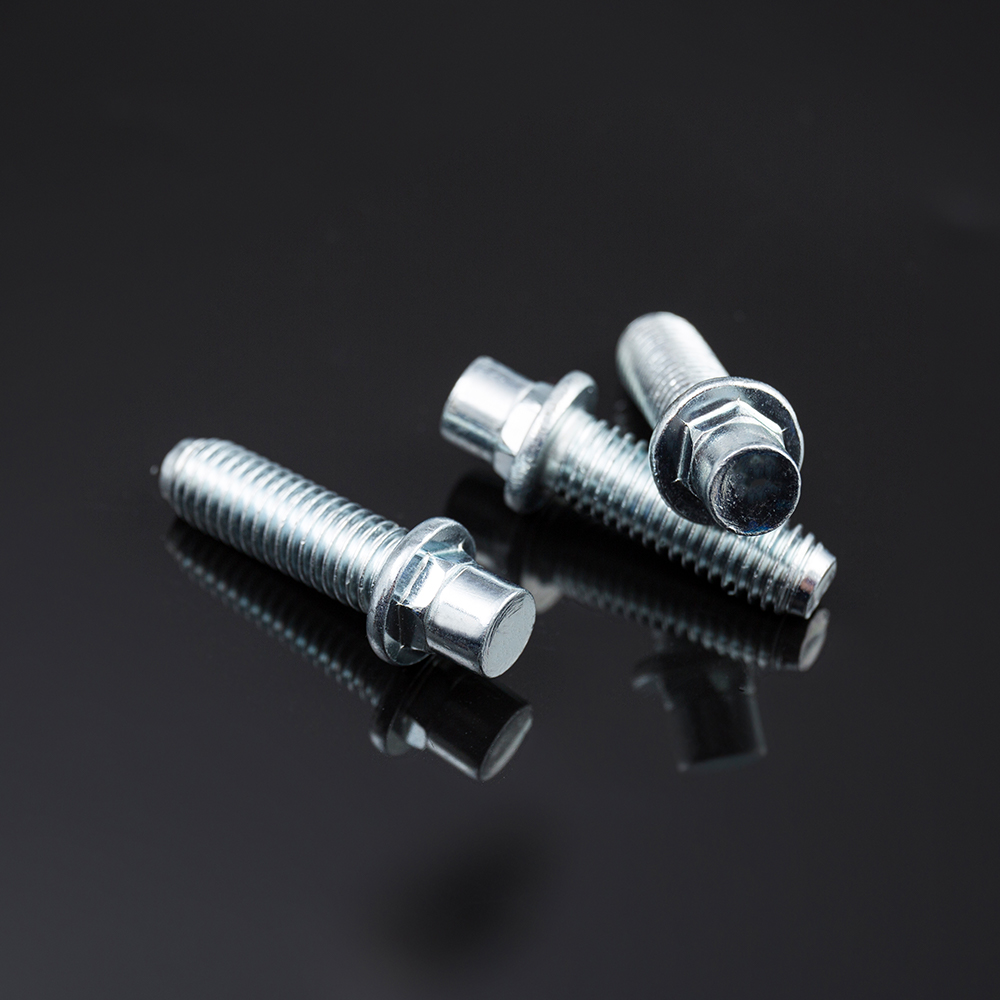
Predstavte si zákazníka, ktorý požaduje osadenie skrutky s excentrickou hlavou a priečne vyvŕtaným otvorom z nehrdzavejúcej ocele 316 na použitie v potravinárskom priemysle. Použitie modelu trojuholníka:
- Funkcia: Vyžaduje odolnosť proti korózii (316 SS), presnú dĺžku ramena (±0,05 mm) a závit M12 triedy 6g.
- Proces: Studené vŕtanie hlavy a ramena je možné, ale krížový otvor vyžaduje CNC vŕtanie ako sekundárnu operáciu. Excentrická hlava vyžaduje vlastný hlavičkový nástroj.
- Cena: Náklady na nástroje sa odhadujú na 2 500 USD s MOQ 10 000 kusov, aby sa dosiahla jednotková cena 1,20 USD. Prístup len s menším objemom CNC by stál 8,50 USD za kus pri 500 jednotkách.
Konečným odporúčaním je hybridný proces: vŕtanie za studena pre primárnu geometriu ramena a hlavy, po ktorom nasleduje CNC krížové vŕtanie s riešením prezentovaným zákazníkovi s odstupňovanou cenou a možnosťami dodania.
5. Výroba a pohľad na kvalitu
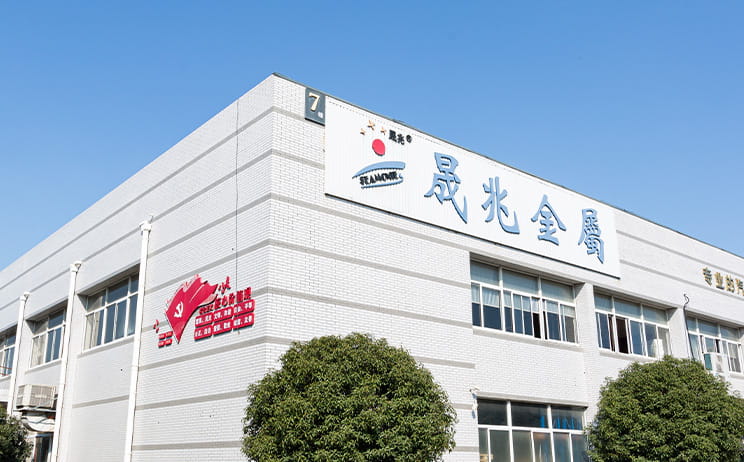
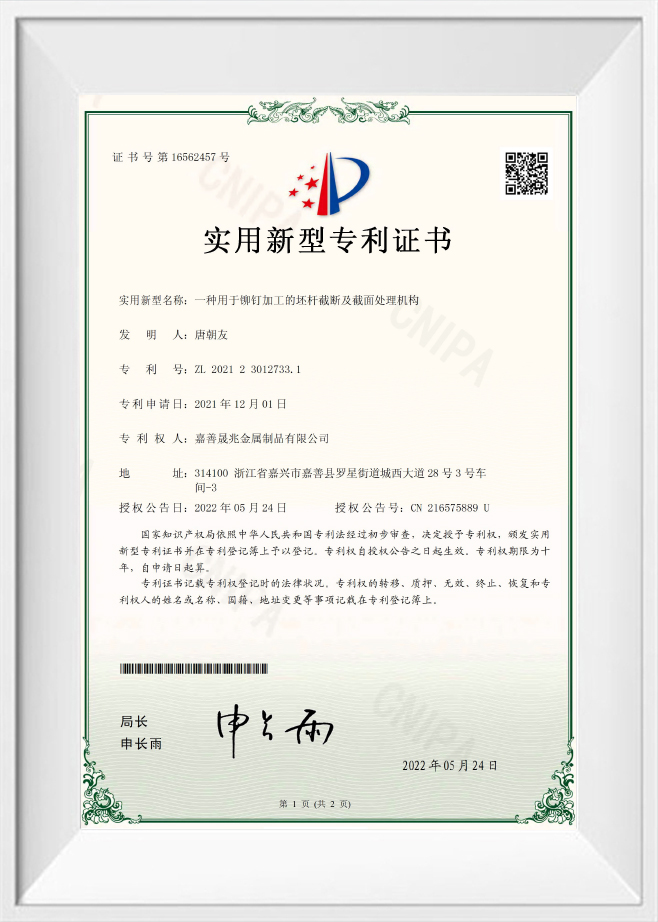
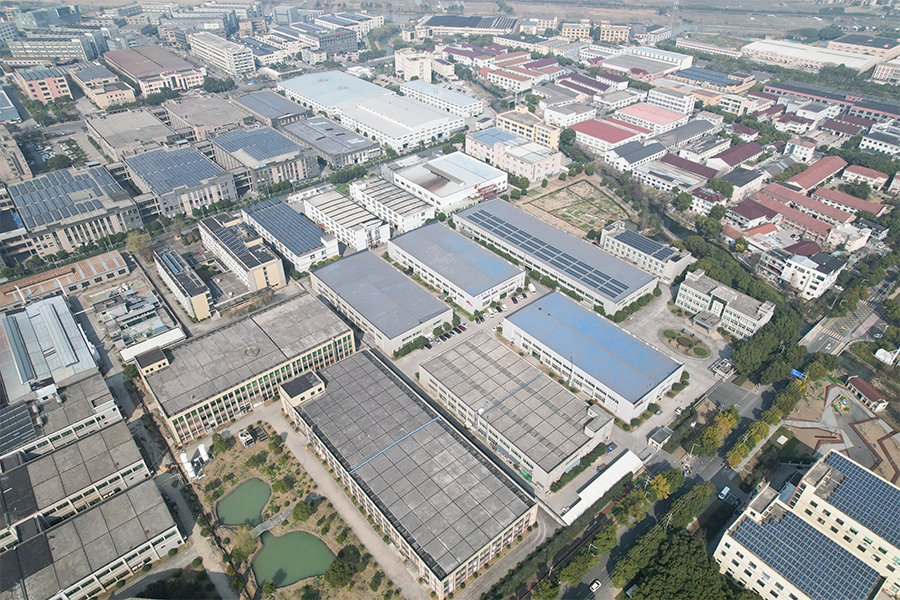
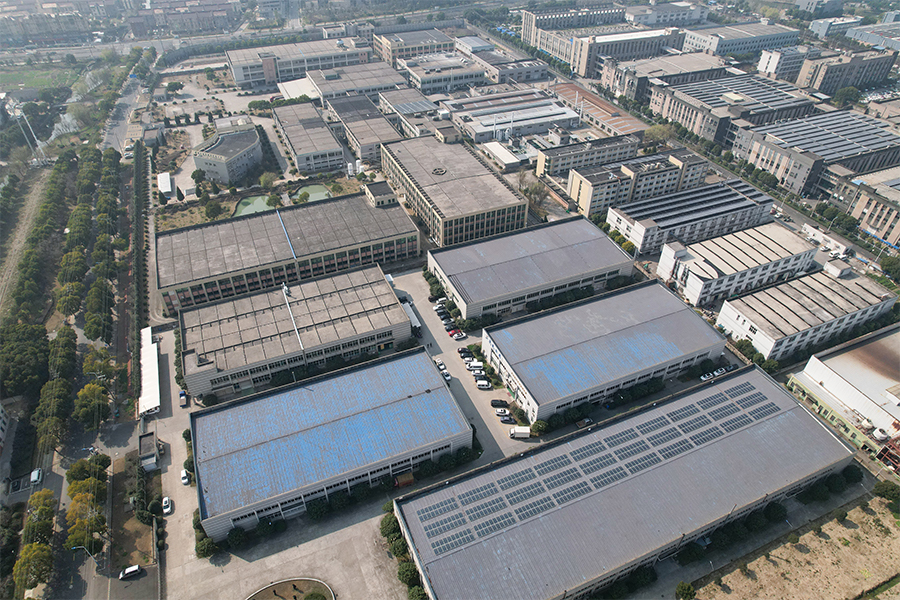
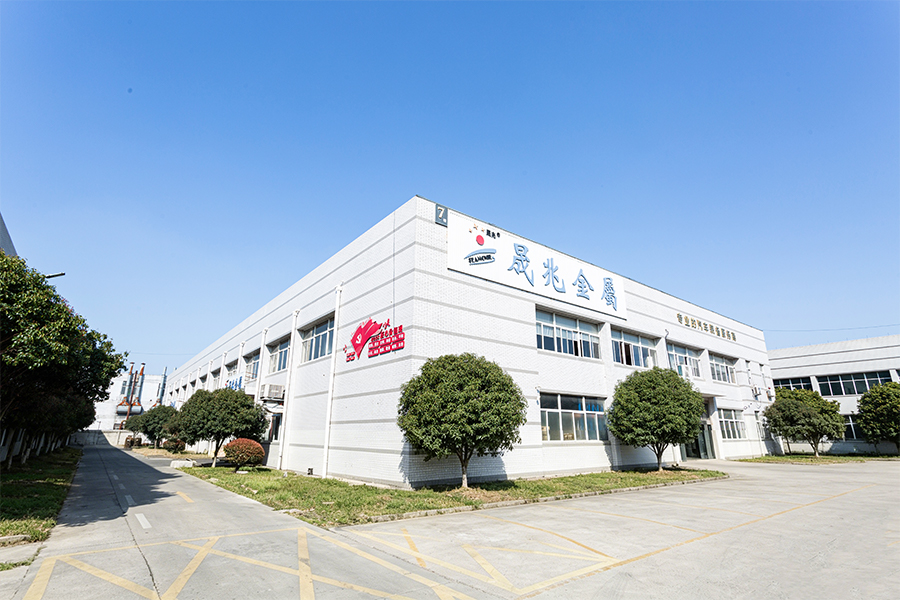
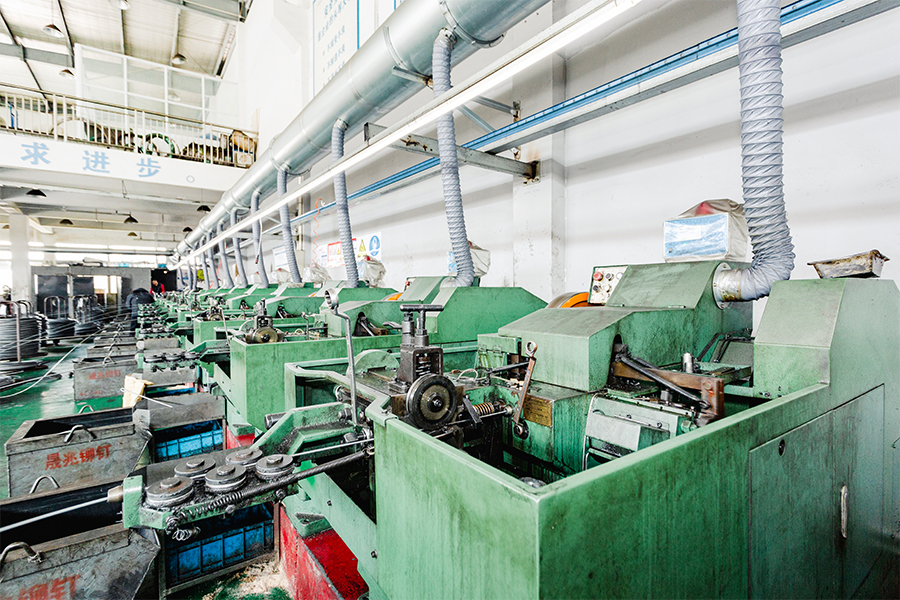
Úspešná implementácia trojuholníka funkcia-proces-náklady si vyžaduje hlboké výrobné znalosti a prísne kontroly kvality. Zhejiang Chance & Union Import and Export Co., Ltd. (Chance & Union) je rodinný podnik patriaci pod SEA Monies Metal Co., Ltd., ktorý zdedil 20-ročné rodinné skúsenosti a dedičstvo kvality v kovovýrobe. Spoliehajúc sa na silnú výrobnú kapacitu a výhody dodávateľského reťazca Shengzhao Metal sa špecializujeme na výskum a vývoj, výrobu a globálny predaj vysokokvalitných kovových výrobkov. V súlade s rodinným úsilím o presnosť, prísny pracovný prístup a dlhodobý záväzok dodávame stabilné a spoľahlivé produkty a služby zákazníkom po celom svete.
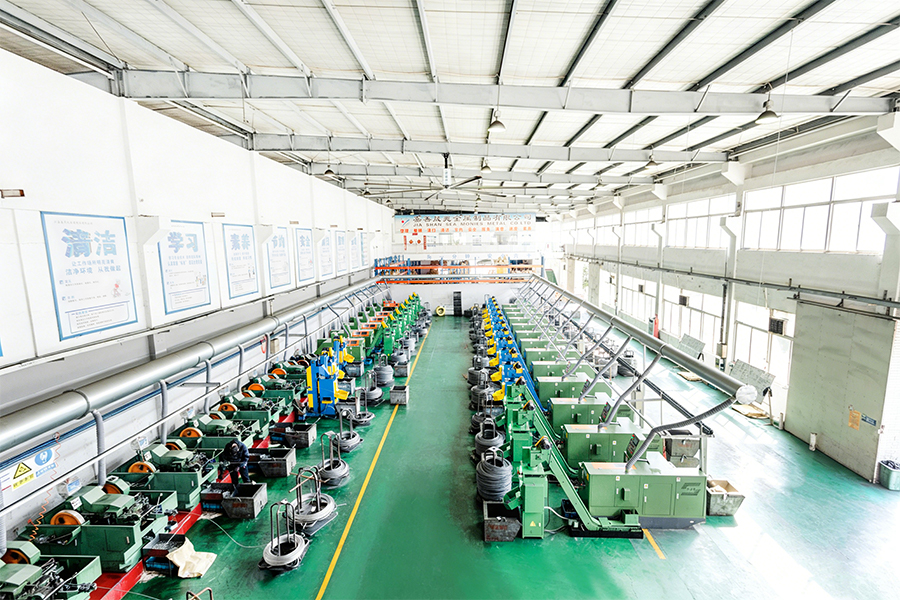
Využitím robustného výskumu, vývoja a výrobných kapacít továrne sa špecializujeme na vysokopevnostné nity, skrutky, matice, podložky, čapy, skrutky a rôzne neštandardné zákazkové diely. Náš sortiment zahŕňa materiály vrátane nehrdzavejúcej ocele, legovanej ocele, zliatiny hliníka, medi a špeciálnych zliatin s využitím procesov, ako je vŕtanie za studena, kovanie za tepla a CNC obrábanie. Naše výrobky sa vyvážajú do viac ako 25 krajín a slúži viac ako 200 klientom.
Chance & Union sa zaviazala bezproblémovo prepojiť „Vyrobené v Číne“ s medzinárodným trhom a poskytovať globálnym zákazníkom komplexné upevňovacie riešenia od výskumu a vývoja až po masovú výrobu prostredníctvom profesionálnej technológie a výnimočnej kvality. Náš inžiniersky tím systematicky aplikuje model trojuholníka pre každý vlastný projekt, čím zaistí, že sa vaša skica stane špecifikáciou pripravenou na výrobu s jasnými požiadavkami na náklady, dodacie lehoty a kvalitu.
6. Často kladené otázky (FAQ)
- Q1: Aké je minimálne množstvo, ktoré akceptujete pre plne vlastnú neštandardnú skrutku?
Odpoveď: Naše minimálne množstvo objednávky (MOQ) sa líši podľa zložitosti a výrobného postupu. V prípade jednoduchých vlastných geometrií s použitím studených hlavíc môže byť MOQ len 5 000 kusov. Pre komplexné CNC obrábané diely vieme vybaviť objednávky už od 500 kusov. Zhejiang Chance & Union Import and Export Co., Ltd. (Chance & Union) poskytuje posúdenie uskutočniteľnosti a nákladov pre vašu konkrétnu požiadavku. - Q2: Ako zabezpečíte, aby sa prvá výrobná dávka zhodovala s originálnou vzorkou zákazníka?
Odpoveď: Náš proces začína podrobnou rozmerovou a materiálovou analýzou vzorky. Potom vygenerujeme úplný technický výkres a správu „First Article Inspection“ (FAI), ktorá sa pred sériovou výrobou predloží na schválenie zákazníkom. FAI obsahuje všetky kritické rozmery, certifikáty o skúške materiálu a výsledky tvrdosti. Zhejiang Chance & Union Import and Export Co., Ltd. (Chance & Union) dodržiava postupy ISO 9001 na overenie vzoriek a uvoľnenie do výroby. - Otázka 3: Môžete vyvinúť vlastnú skrutku, ktorá kombinuje vlastnosti rôznych štandardných tried (napr. trieda pevnosti 10,9 s odolnosťou proti korózii ako z nehrdzavejúcej ocele)?
Odpoveď: Áno – to sa dosiahne prostredníctvom náhrady materiálu. Môžeme napríklad vyrábať skrutky na mieru z vysoko pevnej legovanej ocele (napr. 42CrMo) a aplikovať patentovaný zinkovo-hliníkový povlak (Dacromet) alebo opláštenie z nehrdzavejúcej ocele na dosiahnutie vysokej pevnosti a odolnosti proti korózii. Zhejiang Chance & Union Import and Export Co., Ltd. (Chance & Union) ponúka celý rad kombinácií materiálov a náterov, ktoré spĺňajú vaše špecifické funkčné požiadavky.
Výber tolerancie priemeru ramennej skrutky pre presné umiestnenie: h6, h7 alebo h8 – Vyváženie minimálnej vôle a prevencia zadretia
V aplikáciách presného určovania polohy je ramenná skrutka funguje ako spojovací prvok aj ako presná hmoždinka. Priemer ramena zapadá do spojovacieho otvoru alebo puzdra, čo poskytuje presné radiálne umiestnenie a prenos šmykového zaťaženia. Voľba stupňa tolerancie pre priemer ramena – h6, h7 alebo h8 podľa ISO 286 – priamo určuje vôľu medzi ramenom a jeho protiľahlým otvorom. Menšia vôľa (tesnejšie uloženie) zlepšuje presnosť polohovania, ale zvyšuje riziko zadretia zostavy, zadretia alebo oderu v dôsledku tepelnej rozťažnosti alebo menšieho nesúosovosti. Voľnejší strih uľahčuje montáž a prispôsobuje sa teplotnému rastu, ale obetuje presnosť umiestnenia. Tento článok poskytuje rámec systematického výberu na základe požiadaviek aplikácie a prevádzkových podmienok.
1. Definície stupňa tolerancie a hodnoty vôle
Nasledujúca tabuľka definuje tri stupne tolerancie pre valcový hriadeľ (rameno) podľa ISO 286 s príslušnými rozsahmi vôle pre typickú toleranciu spojovacích otvorov H7. Pre ilustráciu sa predpokladá veľkosť základne 12 mm; stupnica hodnôt s menovitým priemerom.
| Stupeň tolerancie ramien | Definícia (ISO 286) | Typická vôľa (pre priemer 12 mm, s otvorom H7) | Typ aplikácie |
|---|---|---|---|
| h6 | Jemná presnosť, tesný strih | 0 – 18 µm (priemer ~9 µm) | Vysoko presné umiestnenie, minimálna vôľa |
| h7 | Všeobecná presnosť, mierny strih | 0 – 34 µm (priemer ~17 µm) | Štandardné umiestnenie, dobrá rovnováha prispôsobenia a montáže |
| h8 | Komerčná presnosť, vôľa | 0 – 56 µm (priemer ~28 µm) | Jednoduchá montáž, prispôsobenie tepelnej rozťažnosti |
Poznámka: Skutočná vôľa závisí aj od tolerancie otvoru. Pre väčšinu aplikácií presného určovania polohy je spojovací otvor špecifikovaný ako H7, čo vytvára vôľu, ktorá sa pohybuje od takmer nuly po maximálnu hodnotu, ktorá sa zvyšuje so stupňom tolerancie ramena.
2. Kľúčové faktory ovplyvňujúce výber tolerancie
Voľba medzi h6, h7 a h8 nie je čisto vecou presnosti – musí sa robiť v kontexte špecifického aplikačného prostredia. Nasledujúce parametre sú dôležité pri výbere.
- Požiadavka na presnosť polohovania: Ak sa ramenná skrutka použije na umiestnenie dvoch komponentov, ktoré musia zachovať sústrednosť v rámci, povedzme, ±0,02 mm, je potrebné uloženie h6, aby sa minimalizovala radiálna vôľa. Pre všeobecné navádzacie aplikácie, kde je prijateľná ±0,05 mm, postačuje h7.
- Frekvencia a spôsob montáže: Komponenty, ktoré sa často montujú a demontujú, najmä v zariadeniach náročných na údržbu, ťažia z lícovania h8 alebo h7, aby sa znížilo riziko zadretia a zjednodušilo sa manuálne skladanie.
- Diferenciál tepelnej rozťažnosti: Keď sú nákružková skrutka a protiľahlý komponent vyrobené z materiálov s rôznymi koeficientmi tepelnej rozťažnosti (napr. oceľové osadenie v hliníkovom kryte), uloženie h7 alebo h8 poskytuje potrebnú vôľu na prispôsobenie rozdielnej rozťažnosti v rozsahu prevádzkových teplôt.
- Mazanie a povrchová úprava: Dobre namazaný, jemne upravený povrch ramena môže tolerovať tesnejšie uloženie (h6) bez zadretia. Drsné povrchy alebo podmienky suchej montáže vyžadujú voľnejšie uloženie (h7 alebo h8).
- Dynamické vs. statické načítanie: Pre dynamicky zaťažené kĺby, kde rameno zažíva relatívny pohyb (napr. otočné aplikácie), sa často volí h8, aby sa umožnila voľná rotácia. Pre statické, uzamknuté určovanie polohy sa uprednostňuje h6.
3. Výberová rozhodovacia matica
Nasledujúca rozhodovacia matica poskytuje štruktúrovaný prístup na výber vhodného stupňa tolerancie na základe kritickosti aplikácie a prevádzkového prostredia.
- Vyberte h6 Keď: (1) Tolerancia radiálneho polohovania je < ±0,025 mm; (2) Montáž sa vykonáva v kontrolovaných dielenských podmienkach s mazaním; (3) Spojovacie materiály majú podobné koeficienty tepelnej rozťažnosti; (4) Spoj je statický alebo nízkocyklový dynamický.
- Vyberte h7 Keď: (1) Tolerancia radiálneho polohovania je ±0,025–0,05 mm; (2) Očakáva sa mierna frekvencia montáže a demontáže; (3) Vyžaduje sa rovnováha medzi presnosťou a jednoduchosťou montáže; (4) Toto je najbežnejšia voľba pre aplikácie na všeobecné presné určovanie polohy.
- Vyberte h8 Keď: (1) Tolerancia radiálneho polohovania je > ±0,05 mm alebo nie je kritická; (2) Vyžaduje sa častá montáž/demontáž; (3) Rameno je vystavené tepelnej rozťažnosti v dôsledku veľkých teplotných výkyvov; (4) Rameno funguje ako otočné alebo posuvné vedenie s relatívnym pohybom.
4. Praktický príklad
Zvážte ramennú skrutku používanú ako vodiaci kolík pre upínaciu dosku, ktorá sa musí denne odstraňovať kvôli čistení. Doska je hliníková (CTE 23 μm/m°C) a oporná skrutka je z tvrdenej ocele (CTE 12 μm/m°C). Prevádzková teplota sa pohybuje od 10°C do 40°C. Rameno s priemerom 12 mm vystavené zvýšeniu teploty o 30 °C zažije rozdielnu expanziu približne 30 °C x (23-12) x 10⁻⁶ x 12 mm = 0,004 mm (4 um). Tento diferenciál účinne znižuje vôľu. V tomto prípade je h6 prijateľný, ak je prípravok namazaný a opatrne sa s ním manipuluje; h7 je bezpečnejšia voľba, ak sa so zariadením manipuluje hrubo alebo v špinavých podmienkach.
5. Výroba a pohľad na kvalitu
Dosiahnutie konzistentných tolerancií priemeru ramena na úrovni h6 alebo tesnejšej vyžaduje presné opracovanie a dôslednú kontrolu. Zhejiang Chance & Union Import and Export Co., Ltd. (Chance & Union) je rodinný podnik patriaci pod SEA Monies Metal Co., Ltd., ktorý zdedil 20-ročné rodinné skúsenosti a dedičstvo kvality v kovovýrobe. Spoliehajúc sa na silnú výrobnú kapacitu a výhody dodávateľského reťazca Shengzhao Metal sa špecializujeme na výskum a vývoj, výrobu a globálny predaj vysokokvalitných kovových výrobkov. V súlade s rodinným úsilím o presnosť, prísny pracovný prístup a dlhodobý záväzok dodávame stabilné a spoľahlivé produkty a služby zákazníkom po celom svete.
Využitím robustného výskumu, vývoja a výrobných kapacít továrne sa špecializujeme na vysokopevnostné nity, skrutky, matice, podložky, čapy, skrutky a rôzne neštandardné zákazkové diely. Náš sortiment zahŕňa materiály vrátane nehrdzavejúcej ocele, legovanej ocele, zliatiny hliníka, medi a špeciálnych zliatin s využitím procesov, ako je vŕtanie za studena, kovanie za tepla a CNC obrábanie. Naše výrobky sa vyvážajú do viac ako 25 krajín a slúži viac ako 200 klientom.
Chance & Union sa zaviazala bezproblémovo prepojiť „Vyrobené v Číne“ s medzinárodným trhom a poskytovať globálnym zákazníkom komplexné upevňovacie riešenia od výskumu a vývoja až po masovú výrobu prostredníctvom profesionálnej technológie a výnimočnej kvality. Pre osadené skrutky vyžadujúce presnú kontrolu tolerancie ramena poskytujeme úplné kontrolné správy vrátane údajov o meraní CMM pre kritické rozmery.
6. Často kladené otázky (FAQ)
- Otázka 1: Môžem použiť ramennú skrutku s ramenom h6 v hliníkovom otvore bez rizika zaseknutia?
Odpoveď: Áno, za predpokladu, že otvor je opracovaný na H7, povrchy sú dobre namazané (najlepšie zmesou proti zadieraniu) a montáž sa vykonáva pomaly v kontrolovanom prostredí. Ak sa však skrutka často demontuje a znova namontuje, odporúča sa h7, aby sa znížilo riziko zadretia. Zhejiang Chance & Union Import and Export Co., Ltd. (Chance & Union) môže poskytnúť vlastné osadené skrutky s optimalizovanými povrchovými úpravami a povlakmi (napr. bezprúdový nikel) na zníženie sklonu k zadretiu. - Q2: Aká je štandardná tolerancia spojovacieho otvoru pre osadenie skrutky špecifikovanej s osadením h7?
Odpoveď: Štandardná tolerancia spojovacích otvorov pre osadenie h7 je H7, čím sa vytvorí vôľa, ktorá je klasifikovaná ako „tesný chod“ alebo „presná vôľa“. Táto kombinácia je široko používaná pri upínaní obrábacích strojov a súpravách matric. Zhejiang Chance & Union Import and Export Co., Ltd. (Chance & Union) môže dodať zodpovedajúce sady osadených skrutiek a puzdier alebo polohovacích dosiek vŕtaných do H7, aby sa zabezpečilo konzistentné prispôsobenie. - Q3: Ako určím toleranciu ramena, ak má moja aplikácia vysokú presnosť a vysokú tepelnú rozťažnosť?
Odpoveď: V takýchto prípadoch je samotná tolerancia ramena nedostatočná – musíte zvážiť toleranciu otvoru a vôľu pri extrémnych teplotách. Pre vysokú presnosť s tepelnou rozťažnosťou je odporúčaný prístup h6 s toleranciou otvoru H8, ktorý poskytuje o niečo väčšiu vôľu ako otvor H7 pri zachovaní tesnosti ramena. Zhejiang Chance & Union Import and Export Co., Ltd. (Chance & Union) môže pomôcť pri výpočte požadovanej vôle a výbere optimálnej kombinácie tolerancie pre váš špecifický prevádzkový rozsah.





